Prolong the Life of Your Water Heater Through Proper Maintenance
Water heaters have become a requirement today. Good maintenance can assist service is provided by your water heater for several years. Some maintenance measures are all that are required to save a package on a water heater repair or replacement.
Evidence that your heater Has to Be Serviced
When the water coming from your furnace has a bad odor, odd color or sediments, it’s a clear sign that cleaning is required. The reduction in heater’s efficiency can also be a sign that it is time for a maintenance check. Your water heater may cause your energy bills to soar, if not maintained correctly. Anode rod is one of the most important parts of a heater. Colored water underneath the rod’s presence is a clear sign that it needs to be replaced.
It’s better to not await your water heater to give out rust colored water or collapse to the ground because of rusting before you call the plumber. Appropriate water heater maintenance makes it possible to save money in a number of ways. It increases the heater’s lifespan, averts the requirement to buy a new one and guarantees efficient use of energy.
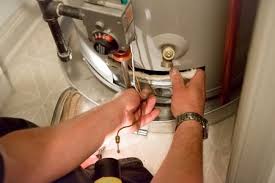
Common problems and their answers
The buildup of sediments and minerals is often the principal cause of water heater issues. Sediments accumulated at the bottom of your water heater is easily cleaned with a brush and garden hose. It is possible to just scrub out the sediments and then flush them away with the nozzle. It is encouraged to do so at least once every year. If the water in your area is hard, regular cleaning may be needed since the sediments tend to buildup faster. Simply flushing the heater every few months will also help you keep it clean.
Corrosion of anode pole is another common problem in older heaters. It is highly advisable to check the rod every couple of months for any signs of rust and replace it if required. Bacteria can cause bad odor on your water heater. This can be easily taken care of with bleach. It’s possible to add bleach, fill the tank with water and let it remain for some time to eliminate bacteria. This can be followed by regular flushing.
If your water heater provides too cold or too hot water, then you might have the ability to solve this problem with simple adjustments in the thermostat. Leaks can cause substantial damage, it’s best to select the support of a professional plumber to spot the source of the leak and repair it at the earliest.
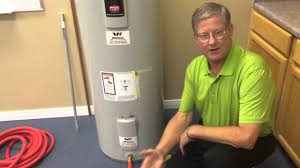
Kinds of water heaters and water recirculation systems
Nowadays mainly two kinds of water heaters are in use, conventional storage heaters, and tankless heaters. Although in use for quite a very long time, traditional storage type heaters have come quite a way. Modern storage style heaters are eco-friendly, more efficient and include many safety features. All these heaters, if maintained properly, can serve you for many years. All you have to do is flush the heater annually and check the anode rod periodically to make sure that your storage style water heater remains in good shape.
Tankless provide many benefits including lower energy cost, lesser distance necessity, a longer life span than storage type heaters and most of all endless hot water source. But unless you opt for a tankless of proper size, you might not get desirable results. These heaters frequently require a new vent line and a gas line. It might be a fantastic idea to install a water softener with a tankless heater. Annual de-scaling could be necessary when a water softener isn’t installed.
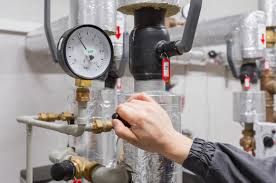
Signs Your heater needs to be serviced
If the water coming from your heater has a terrible odor, odd color or sediments, it’s a clear indication that cleaning is needed. The reduction in the efficacy of heater can also be an indication that it is time for a maintenance test. Your water heater may cause your energy bills to soar, if not kept properly. Rod is one of the most important parts of a heater. The existence of orange water beneath the pole is a signal that it needs to be replaced.
It’s better to not wait for your water heater to provide out rust colored water or fall to the floor because of rusting until you call the plumber. Proper water heater maintenance helps you save money. It increases the heater’s lifespan, avoids the necessity and ensures efficient use of energy.
Signs that your water heater needs to be replaced
One of the easiest ways to decide whether you have to replace your heater is by considering its age. The lifespan of a gasoline controlled water heater is approximately 8 – 12 years, while the electrical ones can offer trouble free service for up to 15 decades. The lifespan of tankless is thought to be more than that of electric heaters, but they’re relatively fresh and era might not be the most effective proposed of whether or not they need to be replaced. If you discover moisture close to the bottom of your eater, it might indicate a leak. A plumber will have the ability to tell you if the heater could be repaired or has to be replaced.
When the heater is so rusted that it is giving out rusty water, it may be time to replace it. Regardless of appropriate maintenance, if your furnace is unable to supply the same amount of hot water as before, it may need to be replaced. You may wait for the heater to quit working completely before purchasing a new one, only if you don’t mind taking cold showers. The decline in efficacy is the best indication that a water heater needs to be replaced.
Ways to Extend the Life of Your Water Heater
Water heaters are often ignored until a failure occurs. You don’t realize how much they do for you until they stop working. To help protect yourself from unexpected issues, it’s important to look out for signs of trouble and stay on top of smaller maintenance checks over time. Performing a few maintenance tasks a couple of times a year can drastically extend the life and improve the efficiency of your water heater. Below are some tips for keeping your water heater functioning for a long time.
Maintenance Checks
Perform regular maintenance checks to examine your water heater for any signs of leaking or damage. Check the joints for any gaps or water leakage as well as the body for any cracks. It is important to act on any leaks that you see immediately, because a small leak can lead to things like flooding in your basement and damage to nearby belongings if not tended to very quickly. Fixing a leak could be as easy as tightening up the pipes or it could be that a damaged pipe or part needs complete replacement. If the tank itself is cracked, then the water heater will need to be replaced.
Test the Pressure-Relief Valve
The pressure-relief valve is a built-in safety check for your water heater. It automatically releases pressure when it gets too high inside of the tank to prevent an explosion. It’s an important feature of the water heater that you want to make sure is functioning properly at all times.To test it, simply lift the lever, which is located on the side or top of the water heater. If no water comes out of the discharge pipe when you lift the lever, then the valve needs to be replaced.
Flush the Tank
Every 6-12 months, drain a few gallons of water out of your water heater into a bucket to examine the water. If the water is full of dirt and debris, then you should perform a full cleaning of the water heater. When debris builds up in the water heater tank, it can significantly cut down on the efficiency of your water heater and cause your energy bills to go up. Some new self-cleaning water heaters automatically remove sediment for you but you’ll still want to flush and clean the tank every 3 years or so.
Check the Anode Rod
An anode rod is a piece of metal that is installed in a water heater to prevent the water heater tank from rusting. It achieves this by attracting all of the corrosion before it reaches the steel in the tank itself. The issue is that once the anode rod is fully corroded, then the steel tank can begin to rust and incur irreversible damage.
Every year, check the anode rod in the water heater and if it is almost or completely corroded then it is time to replace it with a new one. Anode rods tend to last around three to five years. On some models, it’s also possible to install a second anode rod to your water heater to extend its life as well.