What are the most common dental problems?
Dental and oral health is an essential part of your overall health and well-being. Poor oral hygiene can lead to dental cavities and gum disease, and has also been linked to heart disease, cancer, and diabetes. Maintaining healthy teeth and gums is a lifelong commitment. The earlier you learn proper oral hygiene habits — such as brushing, flossing, and limiting your sugar intake — the easier it’ll be to avoid costly dental procedures and long-term health issues.
Facts about dental and oral health
Dental cavities and gum disease are very common. According to the World Health OrganizationTrusted Source:
- between 60 and 90 percent of school children have at least one dental cavity
- nearly 100 percent of adults have at least one dental cavity
- between 15 and 20 percent of adults ages 35 to 44 have severe gum disease
- about 30 percent of people around the world ages 65 to 74 don’t have any natural teeth left
- in most countries, out of every 100,000 people, there are between 1 and 10 cases of oral cancer
- the burden of oral disease is much higher in poor or disadvantaged population groups
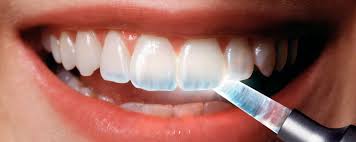
Common dental problems
Dental issues are never any fun, but the good news is that most of them can easily be prevented. From tooth sensitivity to chipped teeth to bad breath, we share some of the most common dental problems along with possible causes, treatments and prevention tips.
Gum disease
Also referred to as gingivitis in the early stages and periodontal disease in later stages, gum disease in an infection of the gums surrounding your teeth. Smoking, dry mouth and diabetes can increase your risk of developing gum disease, and tooth loss can occur if left untreated. Gum disease treatment options may include scaling and root planing.
Tooth decay
Tooth decay, which leads to cavities, happens when the plaque on your teeth combines with sticky, starchy foods you consume. This combination creates acids that attack tooth enamel. The best way to prevent tooth decay is to take care of your teeth and gums by brushing and flossing daily and getting twice yearly dental checkups. Tooth decay treatment can involve fillings, crowns or a root canal.
Bad breath
Also known as halitosis, bad breath is a common (and embarrassing) oral condition. It can be caused by gum disease, cavities, dry mouth and bacteria in your mouth. While using mouthwash and drinking plenty of water offer a temporary fix, treating the underlying issue may be the best remedy.
Tooth sensitivity
This common dental condition causes pain or discomfort when teeth are exposed to hot or cold food and beverages. Even brushing and flossing can cause discomfort. Causes include a tooth abscess or a cracked tooth. Tooth sensitivity treatment may include bonding, a root canal or desensitizing toothpaste.
Canker sores
Canker sores can occur inside your mouth and make it uncomfortable to eat and drink. Often caused by bacteria in your mouth or by a virus, canker sores generally go away on their own within two weeks. Over-the-counter creams may provide relief.

Toothache
You’ve made a dentist appointment, and it can’t come soon enough. Meanwhile, it can help to rinse your mouth with warm water, floss to remove food caught between teeth, and take an over-the-counter pain reliever. If you notice swelling or pus around the tooth, or if you have a fever, that could be a sign that you have an abscess, a more serious problem. See your dentist as soon as possible. You may need antibiotics as well as other treatments.
Stained Teeth
Your teeth are like your laundry: The right approach will remove many stains. Foods, medications, tobacco, and trauma are some of the things that can discolor your teeth. You have three options for whitening them. Your dentist can use a whitening agent and a special light. Or you can bleach them at home with a plastic tray and gel from your dentist or a store. The simplest choice, whitening toothpaste and whitening rinses, only remove surface stains.
Cavities
These little holes in your teeth are bad news. You get them when a sticky bacteria, called plaque, builds up on your teeth, slowly destroying the hard outer shell, called enamel. Adults can also have problems with tooth decay at the gum line and around the edges of earlier fillings. To prevent it, brush your teeth at least twice a day with a fluoride toothpaste, limit snacks, floss daily, rinse with a fluoride mouthwash, and keep up with your dental appointments. Ask your dentist if you could benefit from a sealant.
Chipped Tooth
It’s the No. 1 type of dental injury. An accident can cause a chip. So can something much less dramatic, like chomping popcorn. Your dentist may recommend a crown if the chip is large or bonding with a strong resin material to replace the area that chipped. If the pulp is at risk, you may need a root canal followed by a veneer or crown.
Impacted Teeth
An adult tooth that doesn’t come in properly is “impacted.” It usually happens when a tooth is stuck against another tooth, bone, or soft tissue. If it isn’t bothering you, a dentist may recommend leaving it alone. But if it hurts or may cause problems later on, an oral surgeon can remove it.
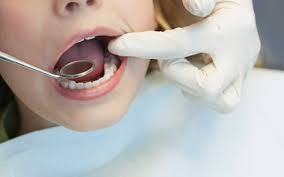
How do you prevent cavities?
- Avoid food with high sugar or starch content – food and drinks like soda, ice cream, cakes, candy cookies, etc. are very high in both starch and sugar.
- Make sure to brush your teeth thoroughly – if you do consume these foods, brush your teeth after eating to prevent plaque buildup.
- Rinse your mouth – if you can’t brush right then and there, rinse your mouth with clean water.
- Drink more water – if you can stay away from other beverages that isn’t water, do so. Manufactured drinks have chemicals and loads of sugar that causes plaque.
- Visit your dentist regularly – ask for tooth sealant options or fluoride gels
Here are the other symptoms of gum disease:
- Bleeding gums – do your gums bleed when you floss or brush? That’s not supposed to always happen. This is an early sign of your gums weakening.
- Bad breath – if you notice the bad breath despite maintaining a rigorous oral hygiene routine, consider gingivitis.
- Swollen, red or tender gums – healthy gums are supposed to possess a pink color and tight around the base of your teeth. If you see swelling, redness or tenderness around the base where your teeth meets your gums, see a dentist right away.
- Loose Teeth – loose teeth might be signs of severe periodontal disease already. Don’t take it lightly. Get it treated as soon as possible to lessen the risk of needing replacement.
- Pus development – if you start noticing pus around the base of your teeth, this is a sign of a more serious infection that could easily spread to other parts of your mouth. Have it treated right away and your dentist might prescribe antibiotics.