How To Choose The Move In Cleaning Service That Is Right For Your Home Or Business

Things you should never throw out before you move

Many people take moving as an opportunity to throw out anything they haven’t used in a while. And while getting rid of things you know you won’t need in your new space is a good idea, that doesn’t have to mean an all-out purge

“editing” instead of purging. “Edit is a thoughtful process,” she explains. “Most people that purge end up re-buying half the stuff anyway because they’re not even thinking about why they have it in the first place, why they haven’t been using it, and why it could help them in the future.”

Lighting

that most people don’t have enough lighting in their homes as is, so even if you feel like you’re moving a few extra lamps that you might not need, take them anyway. She says that you’ll always be able to find a place for them.

Extension cords

You might not love them, and they might not be pretty, but extension cords are useful in a new place, Zaslow says. It can be hard to know where your outlets are going to be ahead of time, so you might be grateful to have a few extra cords.

Small furniture

it’s okay to get rid of large pieces of furniture that you no longer like or know you won’t use, she advises keeping the smaller pieces. She and Zaslow say it’s easy to find a place for things like stools and end tables, since they can easily be repurposed or used to fill a nook or cranny.

House-Cleaning Services

You know the saying about the cobbler’s children who have no shoes? That’s how I feel at home, sometimes. I write and edit stories about cleaning and organizing all day and, when things get really hectic, I don’t have time to clean or organize my own space. And things can get a little out of control

What’s Home Services?

It’s way to help shoppers buy and schedule professional services. That’s right — you can use to find someone to assemble furniture, clean your carpet, set up a home theater, pressure wash your deck, and more. You can even set up a house cleaning.

Setting Up My House Cleaning

This process could not have been easier! I selected the size of my space (one bedroom, one bathroom) and picked the type of cleaning products I preferred (standard or eco-friendly), and the site automatically suggested the amount of time needed (two hours). I then picked three dates and times that worked for me

Set up your own House Cleaning.

Right away, I got an email confirming my order and letting me know that I’d get another email to confirm the exact time. And I did. Of course, I ended up having to reschedule — twice! (I can’t be so busy that I can’t even find a time to have someone else come clean my apartment, can I? I’m not saving the world or anything!) Luckily, it was incredibly easy to reschedule my appointment — I just had to click a link that said “reschedule” and the process worked just like the initial scheduling. Eventually, I got something that worked and I was so excited.

She finished the kitchen and living room while I worked and then I moved into the living room so she could clean the bedroom and the bathroom. The session was supposed to last two hours, but it was closer to two-and-a-half. I’m not sure if that’s because she was being extra thorough or she thought our apartment was extra messy. I’m going to say it was the former

A Checklist for Moving Into a New House

Change the Locks

You really don’t know who else has keys to your home, so change the locks. That ensures you’re the only person who has access. Install new deadbolts yourself for as little as $10 per lock, or call a locksmith — if you supply the new locks, they typically charge about $20 to $30 per lock for labor.

Check for Plumbing Leaks

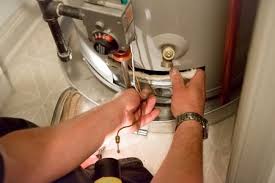
Your home inspector should do this for you before closing, but it never hurts to double-check. Keep an eye out for dripping faucets and running toilets, and check your water heater for signs of a leak.

Steam Clean Carpets

Do this before you move your furniture in, and your new home life will be off to a fresh start. You can pay a professional carpet cleaning service — you’ll pay about $50 per room; most services require a minimum of about $100 before they’ll come out — or you can rent a steam cleaner for about $30 per day and do the work yourself

Wipe Out Your Cabinets

Another no-brainer before you move in your dishes and bathroom supplies, especially if the house has been vacant. It’s not uncommon for mice and other pests to move in quickly. Make sure to wipe inside and out, preferably with a non-toxic cleaner, and replace contact paper if necessary.

Invest in Pest Control

That includes mice, rats, bats, termites, roaches, and any other uninvited guests. There are any number of DIY ways to get rid of pests, but if you need to bring out the big guns, an initial visit from a pest removal service will run you $100 to $300, followed by monthly or quarterly visits at about $50 each time.

What You Need When Moving Out for the First Time

What Are the Essentials I Need When I Move Out?

Bed: And please don’t just put a mattress on the floor. Before we were married, my husband made the mistake of tipping his memory foam mattress up when the carpet was cleaned and putting it down again before it was completely dry. Months later when we finally did get a box spring and frame and lifted the mattress up again, the bottom was covered with mold. So please, don’t put your mattress on the floor—let it breathe. This applies to hardwood floors as well!

Bedframe

Nightstand: You don’t want to have to get out of bed to turn off the light, do you? Get one big enough to hold what you need—books, a drink, alarm clock, lamp, and even a laptop if you’re a workaholic or Facebook addict. Or you could just drop stuff on the floor and trip over it in the morning—your choice.

Some place to put your clothes: Whether it’s the closet, hanging shelves, a dresser, an 18th-century cherry wood armoire, or bins, you need someplace to keep your duds. Buy hangers if you plan on hanging your clothes in a closet.

Laundry basket: Yes, you do need one, if only for transportation.

Mirror: This is just to make sure you’re just as pretty as you think you are. A door-mounted mirror can get warped and distort your image. Additionally, since the door moves so much, it’s more likely to fall off than one secured to the wall.

Something to sit on: A couch, sofa, beanbag, inflatable chair, etc. Remember, you can always get a slipcover to give an ugly couch a cute face.

Coffee table and/or side tables: As refined as most of us claim to be, we usually do a lot of our eating in our living rooms in front of the TV, so it’s helpful to have something to put your beer and cheese puffs—I mean, Chardonnay and brie cheese—on. Consider something with drawers for remote control and magazine storage. We had two Ikea side tables pushed together as a coffee table for well over a year—a cheap and easy fix for $14!

Something to put your TV on: Be it a custom-built entertainment center, a $15 Ikea TV stand, or an old desk, put your TV on something. It’s helpful to have some media storage as well so you don’t have stacks of Seinfeld DVDs lying around.

Lighting: Whether it be floor lamps, table lamps, or ceiling lights, assess what your place needs and make sure it’s well lit. You can find fun lanterns for as little as a couple bucks at a thrift store. A dark place looks dirty and uninviting while a well-lit home looks warm and welcoming. Plus, it scares away the cockroaches.

Dining table and chairs: These too can be found second-hand, and don’t worry if the chairs don’t match—just call it “eclectic.”

Desk and chair: This is optional, but you can use it for your laptop, keeping your mail organized, or writing those long letters to aunt Gracie.

Fan and/or heater: You should definitely look into if your apartment has central heat and A/C. If not, depending on the time of year, it’s smart to get a fan (or an A/C unit) or small heater.

Something to cover your windows: You’ll want to see if your apartment supplies window blinds or shades. If not, purchase some ahead of time (measure your windows first!) or bring a sheet to temporarily hang.

Here’s what I use most in my kitchen:

Coffeemaker: But then again, I’m a severe addict…

Skillet: A good-sized one with a lid

Saucepan and/or stockpot: 1.5 qt and/or 3 qt, with lid

Mixing bowls

Utensils: wooden spoon(s), spatula, slotted spoon, slotted turner, ladle, can opener, bottle opener, and tongs

Oven mitts

Baking dishes: Glass or ceramic. I mostly use an 8×8 inch or a 9×13 inch.

Cookie sheets

Cutting boards

Knives: A large chef’s knife, a serrated knife, and a small utility knife for everything else.

Kitchen shears

Measuring cups and spoons

Plates, bowls, glasses, and mugs

For the Bathroom

Bath towels and washcloths

Shower curtain: Go with something PVC free. I use a cloth one, and it’s so easy to clean—I just throw it in the washer and dryer.

Toilet bowl scrubber and plunger: Get the plunger before you really need it.

Bath mat

Toothbrush holder

Trashcan

Toilet paper

Hand soap

Toiletries

Things To Do Before You Move Out

Moving out from one house to another might be an interesting experience due to all good reasons, but it can be a very daunting and challenging thing to do as well. A lot of things need to be considered in order to make a smooth move to a different place. This thing requires extensive planning, and you should start researching and planning about different associative things before you can be prepared in the literal sense for a move. The late planning or late change in plans can cost you a lot, and things can be in great chaos. Therefore, all the people who are looking to move out should start their planning and research well before time. Ideally, they must allocate at least a couple of months to make themselves ready for a smooth move to a new house.

There are a number of minor and major things that you need to do before making a move-out, but all of them might not be that important for the purpose.

The following is a well-researched list of all the major steps that you need to perform or consider when moving from one house to the other:

You will need money – Moving to a new house is a very lethargic process that requires a lot of money. Many of the people going through this process experience that they required more money than they anticipated. It means that you should allocate some reserve money as well to help you out in the process, if needed.

Get Quotes from Movers – In order to move your household items such as furniture, electronics, and a number of other belongings that you have, the services of professional movers are required. Check well before time and get quotations from different movers in order to get the best door to door deal with loading and unloading as well.

Review the Details – Once you are sure to hire a particular mover’s service, make sure you thoroughly read and review the agreement before signing the dotted line. You should check if they were able to move all small and large size items. Further, will they take the responsibility for the breakage of any fragile items or not.

Packing Boxes – You will need some cardboard packing boxes for wrapping up your items before they are loaded onto the truck. If you have a friend or acquaintance working in some warehouse, then he might help you out with some large and small size packing boxes. If not, then go to a retail store, and you can purchase such boxes at a very low price. This is a mandatory step which you cannot avoid under any circumstances, just for the safety of your household items.

Begin Packing as early as possible – You may be thinking that it is a bit silly to start with your packing months in advance, but it is important to do. It will save you from last minute hassles that can be very frustrating and problematic. You must start your packing by starting with the items that you rarely use at home.

Chuck out the unwanted items – Have a good look at all the things that you have and check out all those stuff that you either don’t need or are not in proper working order. The point here is to clear all the mess before you reach your new home.

Yard Sale – You can make or maybe save some good money by having a yard sale at the home of all the unwanted products that can be of some use to the others. This is one good way of getting something in return for your unwanted items that you are not looking to take along.

Think About Charity – If you are not considering a yard sale, then you can donate your unwanted items to the charity that will obviously be a great thing to do before you make a move.

Notifying your correspondents – You must notify all your correspondents about your move to a new house. Your correspondents may include your bank, doctor, insurance, legal firms and all other such things.

Buying Tickets in Advance – If you are going to move to a far off place that has air links, then buy your tickets well in advance. This will help you save a great deal of money


Tax Planning For Your Company

Things you may not know you can do with your RRSP

An RRSP is a great way to save for retirement and cut your tax bill. But there are other ways you can use your RRSP to achieve your goals.

For most people, a registered retirement savings plan (RRSP) is a way to save for retirement and pay less income tax. True, RRSPs remain a great tool for retirement planning. But, there are some other really useful things you can do with them. Check out some of the other ways you can use your RRSP to achieve your financial goals

Buy your first home with the RRSP Home Buyers’ Plan

RRSPs give first-time home buyers the ability to co-ordinate their RRSP strategy with their home purchase. What can you do under the Home Buyers’ Plan? You and your spouse can essentially each borrow up to $25,000 from your RRSP to buy your first home.

Go back to school with the Lifelong Learning Plan

You can also use an RRSP to fund your or your spouse’s education under the Lifelong Learning Plan. Similar to the Home Buyer’s Plan, any withdrawals for the purpose of training or education are tax free. This is, provided you use the government form RC96.

Split your income with a spousal RRSP

Splitting income between yourself and your spouse is a great way to reduce taxes. There are two ways to accomplish this using an RRSP.

Why tax planning should not be the key driver of investment decisions

Ishan has just started his career. Of late, he has been getting calls from vendors trying to sell him products with tax benefits, pushing him to invest in them before the financial year ends. The list includes PPF, Ulips, life insurance, ELSS, pension fund, and NPS, which takes his total tax deduction to around Rs 2 lakh. Ishan struggles to meet the annual target given his limited income, but the lure of tax saving is high.

Personal financial situations are different at different stages of life. As he is still young, Ishan can save and invest, but it is likely that his shortterm needs would be higher. By locking his money in tax saving products, which are typically long-term products, he might be making a mistake. He may find it difficult to keep up the investment required, or draw on it when needed.

This common mismatch, especially for young investors results in dormant PPF accounts, discontinued subscriptions and missed premium payments. If Ishan tries to access the money in need, he is likely to face penalties, lower realisation values or high costs. What he does to save taxes should, therefore, fit his overall personal financial situation and needs.

Tax planning is an integral part of financial planning, but should not be the key driver of investment decisions. Once he figures out his financial plan, putting aside money to make the most of the available tax breaks will become easier. Given his young age, if he finds that setting aside about 20% of his income for retirement is adequate at this stage, he may find that he is already doing it with his PF (Provident Fund). He may, therefore, not need PPF, NPS or VPF at this time.

For investors like Ishan, liquidity needs may be higher due to unexpected expenses in the early stage of their lives. He may need a term insurance much more than a Ulip; health insurance to cover his family; and might invest in a property and get tax breaks. It might be a wiser thing to actually pay the taxes and retain the flexibility.

Tax Guide for Small Business

This publication provides general information about the federal tax laws that apply to you if you are a self-employed person or a statutory employee. This publication has information on business income, expenses, and tax credits that may help you, as a small business owner, file your income tax return.

Are You Self-Employed?

You are a self-employed person if you carry on a trade or business as a sole proprietor or an independent contractor.

Trade or business. A trade or business generally is an activity carried on to make a profit. The facts and circumstances of each case determine whether or not an activity is a trade or business. You do not need to actually make a profit to be in a trade or business as long as you have a profit motive. You do need to make ongoing efforts to further the interests of your business.

Limited liability company (LLC). A limited liability company (LLC) is an entity formed under state law by filing articles of organization. Generally, for income tax purposes, a single-member LLC is disregarded as an entity separate from its owner and reports its income and deductions on its owner’s federal income tax return. For example, if the single-member LLC is not engaged in farming and the owner is an individual, he or she may use Schedule C.

Sole proprietor. A sole proprietor is someone who owns an unincorporated business by himself or herself. You also are a sole proprietor for income tax purposes if you are an individual and the sole member of a domestic limited liability company (LLC) unless you elect to have the LLC treated as a corporation.

Tax Planning Strategies For Year End

Year-end for many farm operations and many farmers means scrambling to find ways to reduce or defer tax bills.

• Are you continually deferring grain or livestock cheques to the new calendar year because your taxable income is too high?

• Do you buy inventory, such as chemicals, seed or fuel to raise your expenses and lower your tax bill?

• Do you ever buy new equipment to avoid lower your taxes?

• Do you panic in late November and ask your accountant for last-minute tips on reducing your taxes?

Commodity Marketing Plans

If you currently sell grain or livestock as the bills and other financial obligations come due, you could benefit greatly from a marketing plan. Producers who don’t have a solid plan can be forced to sell at lower prices. Others put off paying bills hoping to get a few extra cents per bushel, when the interest on the bills accumulates and their credit rating drops.

Incorporation

Farmers who incorporate their operations may find significant tax savings because the business is taxed at a lower rate than personal income. Individual shareholders of the corporation report dividend income or income earned from share redemption on their personal tax returns.  The corporation will typically assume ownership of the inventory, machinery and equipment from the sole proprietor entity. The incorporated business owner can choose the fiscal year end that is best suited to the operation. It can be December 31 or any other time during the year that provides the best financial results for you. Discuss incorporation with your accountant to make sure it will benefit your operation. Incorporation can also be used as an effective part succession plans.

Long term planning

It’s a good idea to meet with a tax accountant if you are planning to retire in the next five years. It can help ensure you and your operations minimize taxes. This is particularly important if the farm is going to be sold. The sale of land will generate a large amount of capital that carry you through many years of retirement. Tax specialists can help you shelter taxes as much as possible and reduce the amount you must pay. If your succession plan involves selling land to the next generation to fund your retirement, then capital gains exceptions will be important. This exception allows for $1,000,000 per person before taxes are calculated on the sale. It is important to discuss any potential land sales with your accountant to get advice on how to minimize the amount of your income tax.

Other Options

Simple things, like changing or setting loan payments to match periods of strong cash flow can be used as an overall strategy to manage income.  This can reduce the panic selling that can sometimes happen when loan payments or bills need to be paid by a certain date.  It is a good idea to review your operating line of credit on an annual basis to make sure that the size is still sufficient for your operation. If you find it tight, it may be worth a discussion with your lender to see about a possible increase to provide some more room. Cash advances may also be a tool that can be used to reduce interest costs by allowing you more time to market your grain.

Tax Planning Guide

The end of another financial year is fast approaching and as your accountant, we believe part of our client brief is to help you minimise your tax liability within the framework of the Australian taxation system.  The purpose of this guide is to highlight some end of year tax planning opportunities, but you need to act quickly and we encourage you to schedule a meeting as soon as possible to assess your options and the steps you need to take well before

Delay Deriving Assessable Income

Please note, not banking amounts received before June 30 until after June 30 does not qualify because the income is deemed to have been earned when the money is received or the goods or services are provided (depending on whether you are on a cash or accruals basis of accounting).

Cash Basis Income – Some income is taxable on a cash receipts basis rather than on an accruals basis (e.g. rental income or interest income in certain cases). You should consider whether some income can be deferred in those instances.

Consider delaying your invoices to customers until after July 1 – this will push the derivation of the income into the next financial year and defer the tax payable on that income. If you operate on the cash basis of accounting you simply need to delay receiving the money from your customers until after June 30.

Lump Sum Amounts – Where a lump sum is likely to be received close to the end of a financial year, taxpayers should consider whether this amount (or part thereof) can be delayed or spread over future periods.

A tax deduction can be brought forward into this financial year for expenses like:

Employee Superannuation Payments including the 9.5% Superannuation Guarantee Contributions for the June quarter (that have to be received by the Superannuation Fund by June 30, to claim a tax deduction).

Superannuation for Business Owners, Directors and Associated Persons

Wages, Bonuses, Commissions and Allowances

Contractors

Travel and Accommodation Expenses

Trade Creditors

Rent for July (and possibly extra months)

Insurances

Printing, Stationery and Office Supplies

Advertising including Directory Listings

Utility Expenses – Telephone, Electricity & Power

Motor Vehicle Expenses – Registration and Insurance

Accounting fees

Subscriptions and Memberships to Professional Associations and Trade Journals

A deduction for prepaid expenses will generally be allowed where the payment is made before 30 June 2019 for services to be rendered within a 12-month period. While this strategy can be effective for businesses operating on a cash basis (not accruals basis), we never recommend you spend money on items you don’t need. However, paying expenses in June that are due in July could save you some tax this financial year and provided your cash flow permits, it makes good business sense.

Concerned With Killing These Rodent

Pest advice for controlling Mice

Although commonly identified as pests, some are bred and kept as pets. Globally there are hundreds of types of mouse, including varieties such as the deer mouse (Peromyscus), house mouse (Mus musculus domesticus), wood/field mouse (Apodemus sylvaticus), Edible dormouse (Glis glis), spiny mouse (Acomys) and even the striped zebra mouse (Lemniscomys).

The dangers: why we control mice

Although mice are often considered to be cute by some people, they are a public health pest and can cause serious harm. Mice have been known to spread nasty diseases – such as Salmonella and Listeria – to humans through their urine, droppings and bedding.

Mice have a need to mark their territory with their urine and due to their sporadic eating habits, build nests near food sources. This puts anyone with an infestation at risk of food poisoning. As they scurry around, they carry dirt and bacteria with them, transferring it to your counter tops, cabinets, pantry and anywhere else they travel.

Mice around businesses

Property and land owners have a legal obligation under the Prevention of Damage by Pests Act 1949 to keep premises rodent free, or, if rodents pose a threat to health or property, to report infestations to the local authority.

Owners of food businesses also have obligations to keep premises pest free under the Food Safety Act 1990. Environmental Health Officers or General Enforcement Officers can issue enforcement notices to business owners who don’t have adequate pest management procedures in place.

Learn How to Catch a Mouse and Keep Mice Out of Your Home with These Tips

No matter where you live or how long you’ve called the place home, there’s no good time to discover that a rodent roommate has set up shop in your humble abode. From finding mouse droppings in your closet to potential kitchen thievery, the whole shudder-inducing situation is a big fat disaster that homeowners or renters never want to deal with.

So, now that you have an unwanted pest guest, how do you kick him or her to the curb? While you might think you have an idea of how to do this (more so than say, how to get rid of a snake or how to get rid of drain flies), you might be surprised by some of the myths around how to catch a mouse.

ENTRY POINTS

Whether you live in a studio or standalone dwelling, Carrillo notes that every residence has small structural openings, which contractors typically make to accommodate your water, gas, electrical, and data lines. Mice, from either the dirt or sewer, can actually travel through these lines into wall and floor cavities and pop out into your house. Believe it or not, they’re capable of squeezing into spaces as small as a quarter of an inch (yikes).

LACK OF SANITATION

This point is pivotal—any old trash or unsealed food can quickly beckon rodents. “Even if you keep your kitchen spotless, if you have last night’s dinner in your garbage can, that’s still generally an accessible food source for a mouse,” warns Carrillo. To that note, he also adds that the furry critters favor dry goods, like breads, pastas, crackers, and junk food. Put all those Castile soap uses to work and scrub your kitchen down until it’s sparkling clean.

RELOCATION

If your neighbor managed to permanently chase the mice out of their house or apartment unit, that unfortunately means they might migrate to yours. “Sometimes, it’s just a matter of relocation more than attraction,”

Mouse Traps and Trapping Mice

Mice traps for rodent control come in many types of styles. The most common and effective mice traps are snap traps, muliple mice traps and glue traps. The snap type of mice trap has been around a long time. New types of snap traps are constantly coming on the market. Trapping mice requires skill and time.

Location : Good trap placement is an essential step for effective use of mouse traps. Inspect first to determine the activity of the mice. Place traps in areas of high activity. Typical active areas are along walls, behind appliances, behind objects, and darkened corners.Placing mouse traps out evenly at a set distance may provide thorough coverage, but it is not guaranteed to reach the mice. Place traps in areas where mice are running or nesting. To maximize the chances of mice passing over the traps, place along their runways or paths. Place mouse traps at a right angle from the wall, with the trigger end almost touching the wall. If they are set parallel to the wall, set them in pairs with the triggers situated to intercept mice coming from either direction.Use more traps for heavier populations

Use Enough Traps: A common trapping error when placing out mice traps, is to use too few traps. Even for just one or two mice, using six traps are not too many. Place mice traps at intervals of two-ten feet apart. In a typical residential example, use two traps behind the stove, two traps behind the refrigerator, and two traps under the kitchen sink. Most of the time, mice are caught the first night. In a storage room in a restaurant, two dozen traps may be required.

Two Mouse Traps (Snap Traps or Glue Traps) Placed Together : In locations of high mice activity, use two snap or glue mouse traps together, with about 1″ space between them. This would catch mice that try to jump over the traps, a particularly common occurrence.

Aggressive Trapping: Take advantage of the first trap night when trapping mice. More mice are caught the first night, than the following nights. Make sure to set out plenty of traps to take advantage of the timing.

Poisons Used to Kill Rodents Have Safer Alternatives

Each image was, in her word and my perception, “sadder” than the last. There was the great horned owl with a hematoma running the length of its left wing; the red-tailed hawk’s body cavity glistening with unclotted blood; sundry raptors with pools of blood under dissected skin; the redtail with a hematoma that had ballooned its left eye to 10 times normal size; and, “saddest of all,” the redtail with an egg. The well-developed blood vessels in her oviducts had ruptured, and she had slowly bled to death from the inside.

All these birds were victims of “second-generation anticoagulant rodenticides” used by exterminators, farmers, and homeowners. They’re found in such brand names as d-Con, Hot Shot, Generation, Talon, and Havoc, and they sell briskly because of our consuming hatred of rats and mice. The most pestiferous species are alien to the New World and therefore displace native wildlife; they contaminate our food and spread disease. We also hate them for their beady eyes, their naked tails, and their vile depictions in literature, from Aesop to E.B. White. So the general attitude among the public is “if a little poison’s good, a lot’s better.” But even a little second-generation rodenticide kills nontarget wildlife.

Both first- and second-generation rodenticides prevent blood from clotting by inhibiting vitamin K, though the second-generation products build to higher concentrations in rodents and are therefore more lethal to anything that eats them

Fish and Wildlife Service contaminants specialist Michael Fry makes this point about the widespread use of second-generation rodenticides by people oblivious to the dangers: “One good reason for using first-generation poisons is that if you do have a problem, like developing tolerance, you want a backup. If you go in with your strongest thing first, there’s no backup.”

For a rodent to get a lethal dose from a first-generation rodenticide it has to eat it more than once, but that’s not a problem. Leave first-generation baits out for a week and they’re just as efficient as the second generation. What makes second-generation rodenticides so non-selective is that they kill slowly, so rodents keep eating them long after they’ve ingested a lethal dose. By the time they expire, or are about to, they contain many times the lethal dose and are therefore deadly to predators, scavengers, and pets.

Rodents, Food, and Humans – a Deadly Combination

It’s no secret that rodents and food simply do not mix. The sight of a rodent not only deters your customers from returning, but is also attached with major health issues and public safety concerns.

The How

Rodents are dangerous pests that are associated with many diseases. Rats and mice don’t bother to wipe their feet before entering, and they certainly don’t care where they take care of their bathroom needs. For these reasons, many rodents are dangerous transporters of food-borne pathogens, which can be transmitted through saliva, urine, and droppings. In just one day’s time, a single rat can produce 50 half-inch droppings – that’s over two feet of coverage per rat.

Hantavirus Pulmonary Syndrome – A disease carried by some rodents that is spread through direct contact or breathing in dust that is contaminated with rodent urine or droppings. Early symptoms include fatigue, fever, muscle aches, stomach problems, dizziness, and chills; and late symptoms, occurring within 4 to 10 days, present as coughing, shortness of breath and lungs filled with fluid. It is not only your customers who are at risk, but your employees’ health as well.

Rat-Bite Fever – Those exposed to rats carrying the bacteria are at serious risk, even if they aren’t bitten. Rat-bite fever causes fever, vomiting, headache, muscle pain, joint pain and rash. It can be cured with treatment, but if left untreated, rat-bite fever can be fatal.

Salmonellosis – A bacterial infection that can be contracted from eating food contaminated by rat feces. Symptoms include diarrhea, fever, and abdominal cramps and can last four to seven days. Severe cases require hospitalization.

The Importance Of Commercial Electrical Maintenance Reports

Electrical Services

Why leave your electrical work to chance? We’re licensed electricians specializing in both residential and commercial projects serving. We have the experience and resources to help you with any kind of electrical project.

Electrical Wiring

From new construction to re-wiring, panel changes to remodels, and residential additions to large commercial projects, we do it all!

Electrical System Designs

We do more than just wire, we create intelligent, cost-effective systems to maximize your budget & eliminate troublesome issues.

licensed electricians today to ensure your electrical systems are in top condition.

Full-service electrical layout + design

Wiring & installation/upgrades

Emergency power solutions

Virtually any electrical needs you have – just ask!

Fun Electrical Facts

Check them out:

1. Electricity travels at the speed of light, which is 186,000 miles per second.

2. Before electricity was a way of life, ancient Egyptians were aware that lightning and shocks from electric fish were very powerful. They used to refer to these fish as the “Thunderers of the Nile.”

3. Electricity can be created using water, wind, the sun, and even animal waste.

4. When lightning strikes, it flows from the cloud to the ground, but the part we see is actually the charge going from the ground back up into the cloud.

5. Electricity is sometimes used as electroconvulsive therapy (ECT), where patients are given electrically induced seizures in order to treat psychiatric illnesses.

6. In the 1880’s, there was a “war of currents” between Nikola Tesla and Thomas Edison. Tesla helped invent AC current and Edison helped invent DC current, and both wanted their currents to be popularized. AC won the battle because it’s safer and can be used over longer distances.

7. Iceland is the country that uses the most electricity annually. Their consumption is about 23% more than the U.S.

8. Static electricity occurs when the electrons from one object jump to another object.

9. The world’s biggest light bulb is located in Edison, New Jersey. It’s 14 feet tall, weighs eight tons, and sits on top of the Thomas Edison Memorial Tower.

10. The average U.S. home uses 11,000 kWh of electricity every year.

11. The first central power plant in the U.S. was Pearl Station, in Manhattan. It was built in 1882 and served 85 customers.

12. Electricity travels in closed loops called “circuits.” It must have a complete path before the electrons can move. If a circuit is open, electrons can’t flow.

13. Electricity is present in our bodies – our nerve cells use it to pass signals to our muscles.

Flickering Lights In Spring: Reasons & Issues

Lighting Plays An Important Part In Architectural Design In Spring

Lighting & Its Importance To A Spring Architectural Design Lighting can have a significant impact on the workspace in an office or the rooms in a house. Beautiful rooms can look bad because they are badly lighted, while ugly spaces can look less so when they

Why Spring Lighting Design Is Crucial

Knowing The Importance Of Lighting Design In Spring One can apply light to enhance a particular space through the strategic use and selective balance of light and form, light and space, light and color, light and texture, light and surfaces, and most significantly

Choosing The Best Lighting For Your Dining Area In Spring

Lighting Options For Your Spring Dining Room It does not matter whether you want to have chandeliers or pendant lights to create the desired visual points that you are seeking, or if you prefer to have regular scones on the dining room walls that will add some

The Role Of Lighting For Your Interior Design In Spring

Thoughtful Ideas About Spring Lighting For Your Interior Design Lighting design can have a surprisingly big impact on the look and feel of a room, affecting the overall atmosphere of the space. From an interior design standpoint, it is important to consider no

Electrical Apprenticeships

However, in recent years we have seen the introduction of new and more sophisticated equipment and systems into our domestic, commercial and industrial buildings. Known often as Building Services Engineering (BSE), this can include the provision of all the electricity, gas, water and ventilation services within a building and it can be seen to broaden the skills and responsibilities required of an electrician.

Irrespective of the phrase used, the electrician’s job will vary and depend upon the type and range of work that the employing company carries out. However, all electricians will have a broad range of similar technical knowledge and practical skills to enable them to carry out their work safely and correctly.

Some of the things that an electrician apprentice will be expected to do are:

Install, maintain and repair electrical services (eg. lighting, sockets, fire  alarms, emergency lighting & heating controls)

Work indoors and outdoors and be prepared to sometimes work at height

Be encouraged to work on their own initiative

Be prepared to travel away from home

Develop good working relationships with people

Read both building and engineering drawings

Understand wiring and circuit diagrams

Select (within limits) materials and equipment

Inspect and test electrical installations

Diagnose and rectify faults on a range of circuits and equipment

Write reports

As you can see, the job of the electrician is varied and interesting and can offer a challenging career. Consequently, the training programme that you will be following as a electrician apprentice has been designed to help you by meeting and delivering training to these standards and expectations.

Electrical Installation Apprenticeships

There are many benefits attached to becoming an apprentice. When you are taken on as an apprentice, you can gain valuable first-hand experience of the industry you are interested in spending your career in, take a close look at how the industry works, learn on the job and earn whilst doing so.

PREVENTIVE MAINTENANCE

Schedule a Service with an Experienced Commercial Electrical Contractor Today

Preventive Maintenance Inspections (PMI) refers to routine equipment and systems inspections used to avoid problems in equipment. Electrical PMI investigates electrical systems and equipment. Unlike other forms of preventive maintenance, electrical PMI requires specialized knowledge of the electrical industry.

What does an electrical PMI include?

Cleaning: This step is critical but easy to ignore. Routine cleaning during the inspection keeps the system running smoothly. Cleaning is used to remove normal buildup – such as dust and dirt – from circuit breakers, vents, and switch surfaces.

Visual Inspection: We use visual inspections to identify anomalies in your electrical wiring and system. Our experienced team is trained to identify even the smallest irregularities that could lead to a problem in the future, such as missing brackets or damaged wires.

Torque: Nuts and bolts gradually loosen with regular use. Weak bolted connections can cause overheating and may damage your electrical equipment. During an inspection, our team will make sure that each bolted connection is up to code.

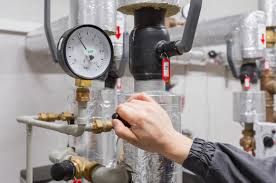
Infrared Inspection: We use infrared scanning to locate irregular heat in your electrical system. Overheating is one of the first indications of electrical failure, which is why we take special care to fix abnormal heat before it causes a larger problem.

Preventive Maintenance Inspection FAQs

You have questions, and we have the answers! Learn more about what preventive maintenance entails, why it’s so important, and how

Q. What is a PMI?

A. PMI stands for Preventive Maintenance Inspection or Predictive Maintenance Inspection. We treat these as two different things. Preventive addresses the physical aspect of electrical equipment including visual inspection, cleaning and torquing of connections. Predictive addresses thermal inspection looking for anomalies.

Q. Are connections supposed to be regularly re-torqued?

A. Not really. It is a good idea to check them from time to time but if the connections were originally torqued correctly and then re-torqued some weeks or months later, after being loaded, then they seem to stay torqued.

Benefits Of Electric Tankless Water Heaters

Prolong the Life of Your Water Heater Through Proper Maintenance

Water heaters have become a requirement today. Good maintenance can assist service is provided by your water heater for several years. Some maintenance measures are all that are required to save a package on a water heater repair or replacement.

Evidence that your heater Has to Be Serviced

When the water coming from your furnace has a bad odor, odd color or sediments, it’s a clear sign that cleaning is required. The reduction in heater’s efficiency can also be a sign that it is time for a maintenance check. Your water heater may cause your energy bills to soar, if not maintained correctly. Anode rod is one of the most important parts of a heater. Colored water underneath the rod’s presence is a clear sign that it needs to be replaced.

It’s better to not await your water heater to give out rust colored water or collapse to the ground because of rusting before you call the plumber. Appropriate water heater maintenance makes it possible to save money in a number of ways. It increases the heater’s lifespan, averts the requirement to buy a new one and guarantees efficient use of energy.

Common problems and their answers

The buildup of sediments and minerals is often the principal cause of water heater issues. Sediments accumulated at the bottom of your water heater is easily cleaned with a brush and garden hose. It is possible to just scrub out the sediments and then flush them away with the nozzle. It is encouraged to do so at least once every year. If the water in your area is hard, regular cleaning may be needed since the sediments tend to buildup faster. Simply flushing the heater every few months will also help you keep it clean. 

Corrosion of anode pole is another common problem in older heaters. It is highly advisable to check the rod every couple of months for any signs of rust and replace it if required. Bacteria can cause bad odor on your water heater. This can be easily taken care of with bleach. It’s possible to add bleach, fill the tank with water and let it remain for some time to eliminate bacteria. This can be followed by regular flushing.

If your water heater provides too cold or too hot water, then you might have the ability to solve this problem with simple adjustments in the thermostat. Leaks can cause substantial damage, it’s best to select the support of a professional plumber to spot the source of the leak and repair it at the earliest.

Kinds of water heaters and water recirculation systems

Nowadays mainly two kinds of water heaters are in use, conventional storage heaters, and tankless heaters. Although in use for quite a very long time, traditional storage type heaters have come quite a way. Modern storage style heaters are eco-friendly, more efficient and include many safety features. All these heaters, if maintained properly, can serve you for many years. All you have to do is flush the heater annually and check the anode rod periodically to make sure that your storage style water heater remains in good shape.

Tankless provide many benefits including lower energy cost, lesser distance necessity, a longer life span than storage type heaters and most of all endless hot water source. But unless you opt for a tankless of proper size, you might not get desirable results. These heaters frequently require a new vent line and a gas line. It might be a fantastic idea to install a water softener with a tankless heater. Annual de-scaling could be necessary when a water softener isn’t installed.

Signs Your heater needs to be serviced

If the water coming from your heater has a terrible odor, odd color or sediments, it’s a clear indication that cleaning is needed. The reduction in the efficacy of heater can also be an indication that it is time for a maintenance test. Your water heater may cause your energy bills to soar, if not kept properly. Rod is one of the most important parts of a heater. The existence of orange water beneath the pole is a signal that it needs to be replaced.

It’s better to not wait for your water heater to provide out rust colored water or fall to the floor because of rusting until you call the plumber. Proper water heater maintenance helps you save money. It increases the heater’s lifespan, avoids the necessity and ensures efficient use of energy. 

Signs that your water heater needs to be replaced

One of the easiest ways to decide whether you have to replace your heater is by considering its age. The lifespan of a gasoline controlled water heater is approximately 8 – 12 years, while the electrical ones can offer trouble free service for up to 15 decades. The lifespan of tankless is thought to be more than that of electric heaters, but they’re relatively fresh and era might not be the most effective proposed of whether or not they need to be replaced. If you discover moisture close to the bottom of your eater, it might indicate a leak. A plumber will have the ability to tell you if the heater could be repaired or has to be replaced. 

When the heater is so rusted that it is giving out rusty water, it may be time to replace it. Regardless of appropriate maintenance, if your furnace is unable to supply the same amount of hot water as before, it may need to be replaced. You may wait for the heater to quit working completely before purchasing a new one, only if you don’t mind taking cold showers. The decline in efficacy is the best indication that a water heater needs to be replaced.

Ways to Extend the Life of Your Water Heater

Water heaters are often ignored until a failure occurs. You don’t realize how much they do for you until they stop working. To help protect yourself from unexpected issues, it’s important to look out for signs of trouble and stay on top of smaller maintenance checks over time. Performing a few maintenance tasks a couple of times a year can drastically extend the life and improve the efficiency of your water heater. Below are some tips for keeping your water heater functioning for a long time.

Maintenance Checks

Perform regular maintenance checks to examine your water heater for any signs of leaking or damage. Check the joints for any gaps or water leakage as well as the body for any cracks. It is important to act on any leaks that you see immediately, because a small leak can lead to things like flooding in your basement and damage to nearby belongings if not tended to very quickly. Fixing a leak could be as easy as tightening up the pipes or it could be that a damaged pipe or part needs complete replacement. If the tank itself is cracked, then the water heater will need to be replaced.

Test the Pressure-Relief Valve

The pressure-relief valve is a built-in safety check for your water heater. It automatically releases pressure when it gets too high inside of the tank to prevent an explosion. It’s an important feature of the water heater that you want to make sure is functioning properly at all times.To test it, simply lift the lever, which is located on the side or top of the water heater. If no water comes out of the discharge pipe when you lift the lever, then the valve needs to be replaced.

Flush the Tank

Every 6-12 months, drain a few gallons of water out of your water heater into a bucket to examine the water. If the water is full of dirt and debris, then you should perform a full cleaning of the water heater. When debris builds up in the water heater tank, it can significantly cut down on the efficiency of your water heater and cause your energy bills to go up. Some new self-cleaning water heaters automatically remove sediment for you but you’ll still want to flush and clean the tank every 3 years or so.

Check the Anode Rod

An anode rod is a piece of metal that is installed in a water heater to prevent the water heater tank from rusting. It achieves this by attracting all of the corrosion before it reaches the steel in the tank itself. The issue is that once the anode rod is fully corroded, then the steel tank can begin to rust and incur irreversible damage.

Every year, check the anode rod in the water heater and if it is almost or completely corroded then it is time to replace it with a new one. Anode rods tend to last around three to five years. On some models, it’s also possible to install a second anode rod to your water heater to extend its life as well.

The Ways Of An Event Planner

Things Event Planners Should Do During the Coronavirus Pandemic

This is truly an unprecedented time. As the coronavirus has spread to over 180 countries, most medical professionals agree on how to stop the virus. We must stay home as much as possible, practice social distancing, wash our hands, and try not to infect each other.

No one knows exactly how long this pandemic will last, or when life will return to the one that we knew. The good news is that there are signs that we are pulling together, understanding the threat, and taking it seriously. We will get through this and get back to business at some point.

While the coronavirus has hit almost all industries, it has been a disaster for event planners. Understandably, companies don’t know when it will be safe to plan their next event, and just waiting is a logical choice when faced with this uncertainty.

The Coronavirus Pandemic Presents an Opportunity for Event Planners

As we stay home each day and try to keep our sanity, one might think there is not much that we can do but wait for our clients to call. However, another way to look at this situation is as an opportunity. This is a unique period in our lives and we may never again have so much free time at our disposal. It is the perfect time for each of us to take daily steps to build new habits related to our health, our business, and our mind, so that we return stronger and more productive than ever.

How To Create New Habits

A study at University College in London concluded that behavior change was more successful when the study participants followed a four-step process. Within 10 weeks, the participants were doing the new behavior automatically without even thinking about it

Event Planner Emergency Kit

As event planners, we have to be ready anything. If there is an emergency like a medical injury that requires a first aid kit, or perhaps a missing button and split seam, we need to be prepared. The hard part is knowing what supplies are needed and for each type of event. We have two event kits, one for corporate events and one specifically for weddings.

WEDDING KIT

Let’s start with our Wedding Emergency Kit. Imagine Target, in a box. We have to be prepared for everything, but we don’t want carry around a huge bag of supplies

Over the years we have narrowed down the main items we are likely to need in a pinch:

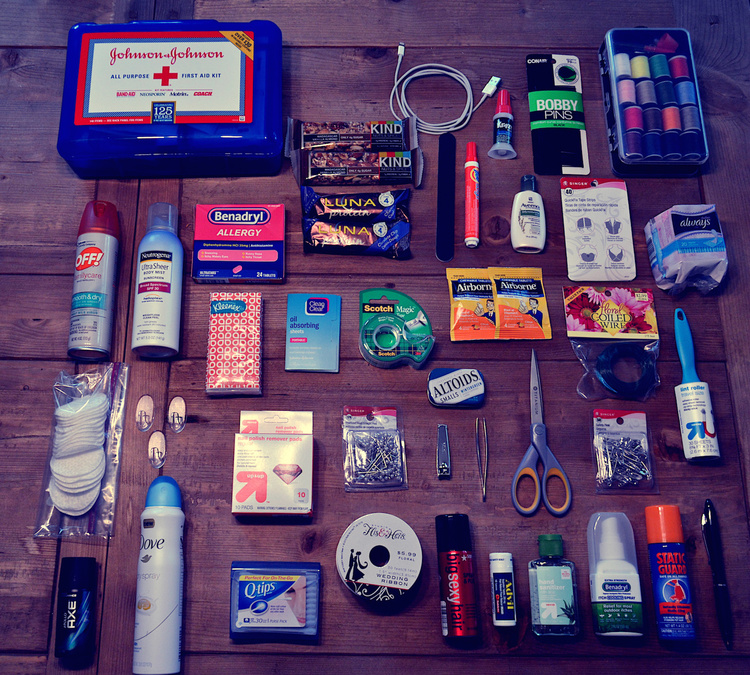
First Aid Kit: Band aids, ice pack, Neosporin, rubber gloves, gauze, tape, butterfly closures, hand wipes, gauze pads, burn cream and tweezers. I also have a supply of Benadryl, Advil, Airborne Blast of Vitamin C and hand sanitizer gel.

Sun and Bugs: Sunscreen, Bug Spray and Benadryl anti-itch spray for bug bites.

Snacks: Luna Bars and Kind Bars both gluten free just in case.

Supplies: Scissors, floral wire, double sided fabric tape, sewing kit, safety pins and regular pearl head pins (great for fixing the dress or pinning boutonnieres), scotch tape, super glue and 3M hooks.

Toiletries and Beauty: Spray deodorant girl and guy, hair spray, cotton pads, Qtips, tissues, oil absorbing sheets (very helpful right before pictures), tweezers, nail clippers, lint remover roller, static guard spray, bobbie pins, nail file, stain remover pen, feminine products, lotion and nail polish remover pads.

Extra items: Sharpie, pens, chalkboard marker, ivory ribbon, iPhone and Android chargers and breath mints.

The anti-itch after bite spray is absolutely number 1. Weddings are often in the summer, so mosquitoes can be a big problem. The Benadryl anti-itch is great to combine with the spray.

The second most-used items are the oil absorbing sheets. With the muggy summer heat, these sheets work perfectly to get rid of the oil around the nose and forehead. Perfect for before our couples being taking all their lovely outdoor photos!

Event Planning Glossary: Event Terms To Know

Have you ever walked into a meeting, confident you know your pitch to your client or peers, but then become unraveled when you’re asked if you know your RFP from your PEO? Or maybe your Aspect Ratio to your CMP?

Sound familiar? The situation perhaps, but the acronyms… who knows? Whether you’re a meeting planner veteran who could do with an update on modern phrases, or starting your event industry career and want to look good at your new gig – fear not.

You too can learn the event industry lingo that everyone else seems to be using, by following this simple guide. There is a whole ton of vocabulary, jargon, and acronyms that industry professionals throw around that might seem like another language, but by becoming familiar with these keywords, you can walk back into that meeting with a renewed air of confidence and smash that pitch out of the park.

B2C

The opposite of B2B, this acronym means ‘Business to Consumer/Customer’ events, often relating to more consumer and public-facing events.

Breakdown / Load Out / Strike

These terms all mean to take down equipment and clear away items that have been set up for an event, after the event is complete.  

Tips to Avoid Bad event planning

Event planning is only as good as the outcome. This is why event planners analyze all possible scenarios – good or bad, and then prepare for them with contingency plans in place. All it takes is one mistake for everything to go down the drain, after all.

With your reputation as a planner at risk of being jeopardized with the smallest of mistakes, it is important to know more about the most common mistakes in event planning and the best, most effective solutions to avoid them.

Allocate the right resources with the right skills

One of the biggest mistakes in event planning is improper event staffing. Imagine what can happen when the wrong people are managing the event or those with the wrong skills. Obviously, you don’t want to assign a caterer as a venue coordinator, but it is so easy to overlook a bit of inadequacy just to get everything moving. Don’t. You’re setting yourself up for disaster.

Keep track of all the changes to the event

Regardless of how small the changes are, make sure to monitor them thoroughly. Failure to do so can mean changes in the timeline or the budget, which can have a domino effect. A change in flowers, for example, can mean major alterations to the theme or color of the tablecloth.

Carry out an event risk assessment

It’s imperative for a good event planner to do their best to foresee any things that can possibly go wrong. Nothing is ever perfect, but you can make that happen by preparing for any eventuality. The surprise should be kept on the clients and guests and not on you.

critical items in event planners’ on-site kits

Event planners and venue managers are supremely prepared people, so it didn’t surprise us that many of the hundreds of event planners we spoke with have a handy on-site kit that they bring with them every time they are on location at an event. The average number of items in an on-site kit was 15-20 items. I guess the only thing we didn’t ask was “What do you carry all these items in?” … although whatever it is, I’m sure it’s very stylish 😉 Here is the list in its entirety, broken down into categories … if we are missing an item that you think is vital to pack for your on-site days, just provide it in the comments below.

Tools, Etc.

Allen wrenches

Box cutter

Duct tape

Extra hooks

Gaff tape

Glue gun

Hammer

Leatherman / Swiss Army Knife

Measuring tape

Pliers

Screwdriver

Wire

Office Supplies

Double sided tape

Extra nametag stock

FedEx envelopes

FedEx labels

Hole puncher

Paperclips

Post-Its

Safety pins

Scissors

Sharpie

Stapler

String

Medical Stuff

Aspirin

First aid kit

Personal Hygiene / Cleanliness

Baby wipes

Bug spray

Clear nail polish

Cough drops

Mints

Stain stick

Electronic Stuff

Batteries

Extension cords

Flash drive / USB sticks

Laser pointers

Mini flashlight

Mobile charger

Power strip

Printer cartridges

Food

Bottled water

Snacks

Tea

When you use Planning Pod venue management / event management software to manage all your event details, it always travels with you because our software is compatible with all tablets and mobile devices. Try Planning Pod for free and discover why thousands of event professionals don’t go anywhere without it.