Mechanical & Electrical Installation
The function of integrating and controlling the operation of services within buildings, has given rise to the term ‘Intelligent Building’. With the application of integrated systems, each building Owner and Tenant is assured of an effective and efficient method by which their premises are controlled and monitored.
Mechanical Services
Creating a pleasant and comfortable work environment is the basic concepts for mechanical systems in modern buildings. Not only is this idea basic, but it is also an essential ingredient in producing effective systems for any building’s performance
Fire Protection
Fire protection system is the essential for life safety and property, and design and installation of the systems shall be performed in strict compliance with regulations and laws. With full understanding of local regulations and rules
Building Automation
Today, all the individual services are linked to the Building Automation System for effective building management and energy conservation
Information & Communication Network
Local Area Network(LAN) is a more effective medium by which information is communicated. The integrated cabling systems for office automation system (OA) and its management, improves the efficiency of the building’s facilities.
Electrical Services
Various forms of installations are in great demand in modern building, whether it is be on a partially or totally integrated basis.electrical engineering and installation demands for the many different types of building structures and functions. Today, we offer the full range of electrical systems, beginning at the power source all the way through to the fully automated intelligent means for multi-functional buildings.

Electrical Installation Work
specialized construction work that is performed during the erection or reconstruction of buildings or structures intended for various purposes and that entails the installation of electric wiring and electrical equipment. The electric wiring may be overhead power lines, cable lines, current leads, or interior wiring. Examples of electrical equipment include electric machinery, distribution centers, and control consoles. In the USSR, electrical installation work is usually carried out in two stages.
The first stage, which coincides in time with general construction work, includes the installation of fasteners or inserts in structural elements for the subsequent attachment of electrical equipment and structures for the installation of electric wiring. It also includes the installation of conduits for electric wiring in the foundations and floors of buildings or structures and the installation of wall sockets for outlets and switches. In the first stage, the preassembly of electrical equipment and wiring structures, the fabrication of conduit sections, and the board lacing of wires and cables for lighting and other circuits are carried out away from the construction site in specially equipped electrical-installation prefabrication shops.
In the second stage, the electrical equipment and the structures for the installation of wiring are transported to the construction site, installed in the planned locations, and assembled. In addition, cables and wires are laid and are connected to the installed electrical equipment. Electrical installation work is completed when the installed equipment is actuated and adjusted. The most complicated work in this respect is the adjustment of relay protection and automatic control systems for electric drives.
The time required for electrical installation work is reduced and the productivity of labor in such work is raised primarily through the use of industrial methods of installing electrical equipment and through the delivery to construction sites of structures for the installation of wiring and elements of electric wiring in consolidated subassemblies and units, which are fabricated and assembled in electrical-installation prefabrication shops. The level of industrialization of electrical installation work is due in large part to the output by industry of complete sets of electrical equipment and of electric wiring that can be easily installed and adjusted.
One of the main trends in the further industrialization of electrical installation work is the use of large-scale electrical engineering facilities, for example, the rooms of electric-drive control stations and of urban transformer substations. Such facilities are delivered by industry with the electrical equipment completely installed and adjusted. In this case, electrical installation work is reduced to the installation of such facilities and the connection of the facilities to external power networks
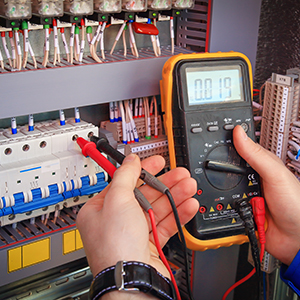
Industrial Electrical Installation
A Hardworking Team of Electricians and Project Managers
certified electrical contractor specialising in industrial electrical installation with advanced experience in the fields of wood industry, water treatment and recycling. Our team is composed of project managers (electrical engineers and former electrical foremen), estimators, electrical power and control specialists and industrial field electricians.
We also work closely with our department of programmers and automation specialists who allow us to offer turnkey electrical solutions to our customers. The electrical installation projects that we lead are from the smallest to multi million dollar investment grassroot projects.
electricians are well equiped and supervised. They are used to working under pressure with the shortest deadlines during mill shutdowns and in the most extreme weather conditions (the long nights, the blistering cold winters and the hot summers).
regularly go through the following electrical work for our customers:
Lay out and validation of electrical plan with our electrical engineers
Electrical power wiring of industrial mills and buildings: sawmills, recyling plants and water treatment plants.
Wiring of lumber kilns and dry kiln duty motors
Layout of suspended electrical cable trays
Installation and cabling of electrical control panels
Reorganisation of old control panels: wire identification, thermography troubleshooting, electrical component replacement and update
Installation and design of Motor Control Centres (MCC)
Variable speed drive sizing and tuning
Climate control unit installation for control panels
EMT conduit work (metal and PVC)
Teck cable wiring
600V electrical distribution
600V transformer installation
Electrical service entry installation and electical service entry maintenance
Design, layout and installation of electrical rooms
General electrical maintenance and electrical layout reorganisation
LED lighting plant conversion projects: evaluation and sizing of lighting equipment and evaluation of return on investment
field representatives, the electricians, are closely selected born and bred hardworking men and women from the Beauce county who demonstrate they were taught the value of quality work no matter the hardships. With their project managers, they offer top quality electrical installation and advice to our wood industry customers. These seasoned electricians are in high demand in the industry and so they are often dispatched in smaller teams to supervise and coordinate the work of many other electricians on different building sites
About electrical installation material
Under Electrical installation material you will find everything was needed for the installation of a power supply in building technology. The wide range ranges from switch boxes, mains plugs and connectors to accessories for power cable routing such as cable shafts for covering power lines, mounting rails and various adhesive tapes. There is also weather-resistant installation material for outdoor areas and gardens.
What was electrical installation material?
What is electrical installation material used for?
What electrical installation material is available?
Safety information for electrical installation
What was electrical installation material?
Electrical installation material includes all accessories for the distribution of electricity in buildings and associated outdoor areas such as gardens. In addition to switch boxes and mains plugs, this includes a comprehensive range of products that are useful for laying cables. For example, distributors, connectors and fixings for cables.
The components for the electrical installation can be divided into two large groups: There are active and passive components. They differ in whether they:
Actively count among the live parts
Or passively perform only auxiliary functions, even but not under current.
What is electrical installation material used for?
Electrical installation material is used in a wide variety of applications in the distribution of low-voltage power in buildings, individual building parts, apartments and individual rooms. However, electrical installation material is also widely used in commercial real estate and industrial plants.
With the current-carrying components for electrical installation in this category, you can implement the basic distribution in buildings, but only
Behind the main switch, possible lightning arresters and similar general fuses
As an intermediate connector only approved for the low-voltage range
Or before the plug-in connection of electrical devices.
Electrical Installation
Electrical installation can be a tricky project. Whether you’re making changes in an existing home or setting up the electric circuits for a brand new one, one fact is certain: as an amateur, you can get into a lot of trouble. Not only can amateur electrical installations be potential safety hazards, but they can also violate codes and regulations, making it impossible to ever resell the home until all of those issues are fixed.
That’s why it’s important to look for experienced electricians to do the job. If you are looking for professional residential electrical installation experts, Certified Electric, Inc. may just be the right choice.
Certified Electric is licensed, insured, and bonded. We also have unrestricted state of electrical and low voltage electrical licenses. Each of our technicians is well aware of all policies, procedures, and codes pertaining to residential electrical installation. So, you will have no need to worry or wonder if your installation was done properly.
If you are a builder looking for an electrician’s input on the design of a new home, we would be happy to assist you. We can help you to come up with the most energy-efficient and cost-effective options for the building.
If, on the other hand, you are a homeowner, we can help you to perform all sorts of upgrades in your home. For example, we can run new cable, electrical, or telephone lines for you, as needed. We can also install or provide electricity to light fixtures, ceiling fans, and even larger items, such as hot tubs.
