TIPS YOU CAN USE TO KEEP YOUR ROOF & GUTTERS IN TOP SHAPE
A roof is a crucial part of any home. But it’s probably not something you give much thought to. However, over time your home will eventually need a roof repair. But how are you supposed to know when? Sometimes that signs are obvious. Other times, not so much.
Missing, Cracked or Curled Shingles
This is one of your more obvious signs that a roof repair may be necessary. If you look up at your roof and notice that there are a few shingles missing or damaged, you may have an aged roof that needs repair.
You Notice Light Entering from the Outside in Your Attic
If you’re able to easily access your roof, check it out during the day. If you notice that light is entering from the roof, water can also enter through those same openings. It’s a good idea to have roofing contractor determine if your roof may need a patch or repair.
Your Roof Leaks When it Rains
Probably the most evident sign of needing a roof repair is when you experience a leak when it rains. It’s likely water is entering through an opening on your roof and then making its way into your home.
You Notice Shingles that are Wet or Appear Dirty
A less than apparent sign of a needed roof repair is wet shingles. If you see this, that means that moisture is being trapped, which is not supposed to happen. Any lingering moisture on your roof is not a good thing because it can eventually lead to things like mold and water damage.

THINGS YOU DON’T WANT TO HEAR FROM YOUR ROOFER
It’s always a good idea to call a roofer as soon as you notice any issues with your roofing system. Whether it’s a small leak or missing shingles, you should never underestimate the damage that seemingly minor problems could cause your roof system over time if left unaddressed.
It’s important to act quickly and address any issues as soon as possible. Of course, the first step to fixing your roof is finding a reliable roofing company. To be sure you’re dealing with a reliable contractor, you should talk to them and ask plenty of questions about their work and your particular roofing system.
Many roofers claim to be experts. And while the industry has no scarcity of trustworthy roofing professionals, there are unfortunately those that are less reliable.
“I’m Not Familiar With Your Type of Roof, But I’ll Fix It”
It’s not uncommon for people to assume that any roofer can work on any type of roof. Unfortunately, this is far from true. Different roofs are made of different materials and components, each of which require specific repair methods, skills and tools. A roofer who specializes in asphalt shingles may not have the know-how to reliably repair a metal roof.
If your roofing contractor doesn’t have the expertise for your type of roof but they offer to repair it anyway, you should decline their service and look for a professional that has training and experience working on your specific type of roof. “I Only Need Half an Hour to Inspect Your Roof”
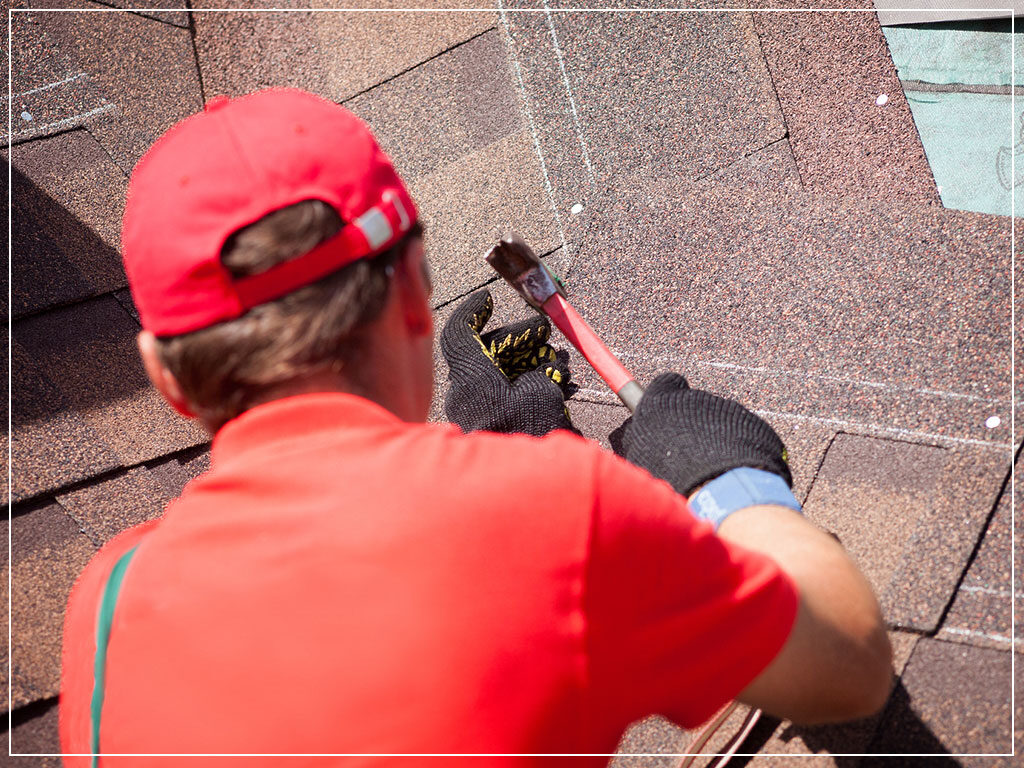
What Do You Do if Your Roof Springs a Leak?
STOP THE WATER DAMAGE
Once you discover an active leak in your roof, the first thing to do is minimize the water damage as much as possible. To do this, you should move or put plastic covering over anything that can be damaged by water. This includes: furniture, electronics and other valuables.
CONTAIN THE WATER
Immediately put a bucket or other waterproof container beneath the leak(s) to catch the water. If water splashes onto the floor, put an old T-shirt in the bottom of the bucket to absorb the splash, or try pinning a long string to the ceiling near the leak, so the water will have a path into the bucket. If the paint is bubbling, it’s likely holding water, so puncture the bubble to release the water into your bucket.
REMOVE THE WATER
Once you have the leak under control, you need to thoroughly dry all carpet, furniture, woodwork and anything else that was exposed to water. Not only will water leave a stain, but mostly, you must prevent mold from growing in your home. If your carpet is soaked, pull it away from the padding and expose both sides of the rug and the pad to briskly circulating air. If the damage is extensive, call a professional water extraction company.
CALL YOUR INSURANCE AGENT
If you know (or even suspect) that your home has sustained heavy damage, call your insurance agent. Although your policy may not cover damage from a leaky roof, contact your insurance agent as soon as possible and let them determine what is and isn’t covered.
FIX THAT LEAKY ROOF
Once you’ve done all you can to get the situation under control and minimize the damage in your home, it’s time to get your roof fixed. To be sure it’s fixed right the first time and never returns, you should call a licensed roofing contractor.
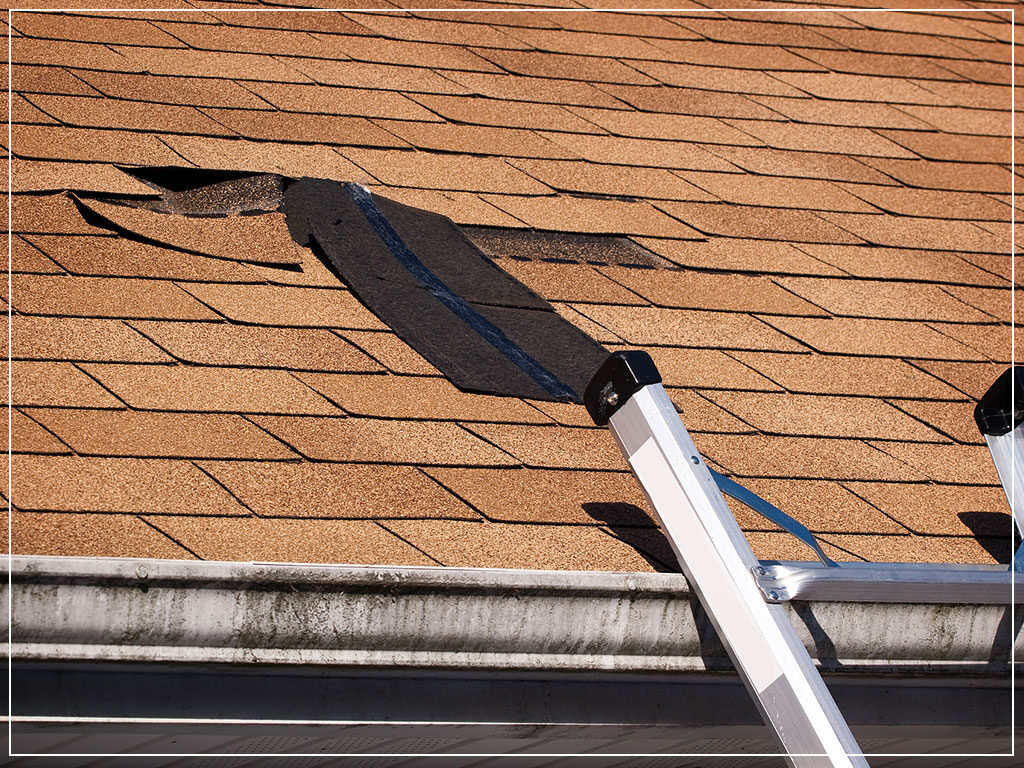
THINGS YOU SHOULD EXPECT DURING ROOF REPLACEMENT
Roof replacement is one of the least inconvenient home improvements there is. On average, removal the old roof and installation of new asphalt shingles could take only a week, which is fast for a major project. That said, you should still set your expectations to experience less stress from start to finish.
Roofer Validation
Much like in roof repair jobs, a replacement project requires that you hire the right contractor. Every contractor would put their best foot forward, but don’t take their word for it. Review BBB ratings and Google reviews to ensure every claim your prospective roofer makes is correct.
Estimate
The estimate is the shortened version of the contract. There’s no universal format for estimates, and they vary among contractors. Generally, your estimate should at least spell out the cost of labor, materials and necessary permits.
Permit Application
There’s a great chance that your local government would require you to pull a permit to get the green light to proceed with a roof replacement. The application may take some time to process, so consider it when scheduling your project.
Disruption
Even the most organized and efficient roofers can’t keep your roofing project from becoming messy and loud to some extent. Unless nobody is at home during construction, consider setting up temporary accommodations until the work is done.
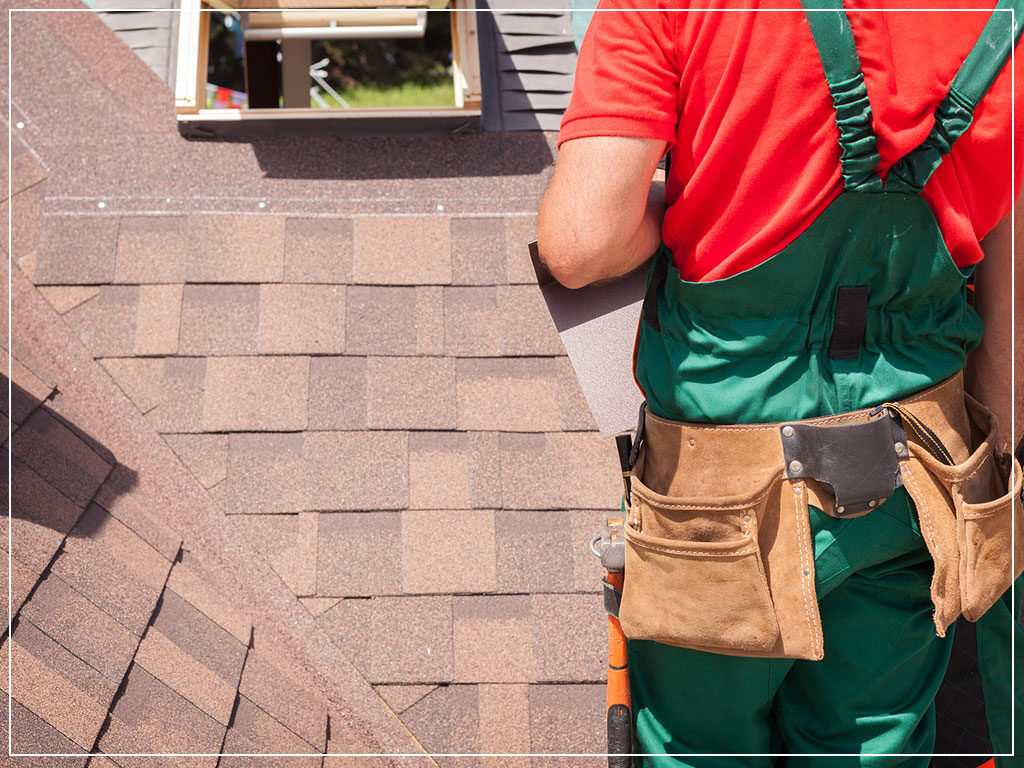
things to know about a slate roof installation
“We ran across roofing contractors who did not have much experience in slate roofs,” Messick said. Worried that she would end up with a shoddy job, she delved in and did her own research. “There was a lot to learn and finding the right resources was key.”
One of those resources was Joseph Jenkins, a slate roofing consultant and author of “The Slate Roof Bible.” Jenkins warns the worst thing uninformed roofers do is tell homeowners their slate roof needs replacing when it really doesn’t.
“The main thing people need to understand is that a slate roof can literally last for centuries,” Jenkins said. “I’m annoyed that a roofing contractor would destroy somebody’s roof and it’s regretful that the property owners don’t know what they lost.”
A slate roof can cost from $12 to $40 per square foot, according to websites and roofers I consulted. Your price will be on the lower end if you use recycled slates or reinstall your own. The price will rise if your house is complicated, your slate is extra fancy or you live in an expensive area. That’s two to four times more than an asphalt-shingle roof. Then again, a slate roof can also last four or more times as long, making it a good value over the long haul. But for a slate roof to last, it must be installed correctly.
Where it comes from
It’s not enough to know the color and cost of slate you’re putting on your roof. It’s not even enough to know the name of the slate manufacturer. “The most important thing you need to know is where did it come out of the ground,” Jenkins said.