How to Paint a Room in One Day
Does your space feel a little… drab? A fresh coat of paint in a trendy shade is the quickest ways to rehab a tired space. And since it’s a project most homeowners can tackle themselves, it’s one of the most affordable, too.
But as easy as painting sounds, there are some tricks to the trade. Take prep work, for example. If you skip this important step, you could end up with a real problem on your hands — an undercoat that shows through or peeling paint. If you’re painting latex over oil, for example, you’ll likely get cracking
Make a plan
Before you ever pick up a paint brush, you need a plan of attack. Think of it sort of like cooking. You want to read the recipe all the way through before you start blindly throwing ingredients into the pot — otherwise, you might get halfway through and realize you’re missing an important component.
Select a color.
When it comes to paint shades, the options are boundless. It’s a fortunate problem: While you’ll inevitably find just what your’e looking for, landing on the right hue can be quite the process.
Paint your sample.
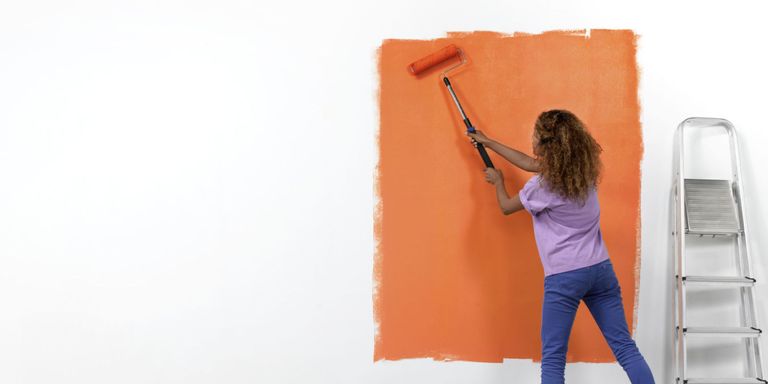
Once you have sample cans in hand, paint swatches on the wall. To give you a good idea of how the color will look in your space, paint two coats of color in a 12-inch-by-12-inch square. If your room has both sunny and shady spots, it’s smart to put swatches in both areas, as this can affect the final look.
Paint your house
Looking for a project to keep you off the streets these holidays? Painting your home is well worth the time. It’ll improve the look of your home, reduce the amount, and cost, of long term maintenance and increase its value too.
All in the preparation
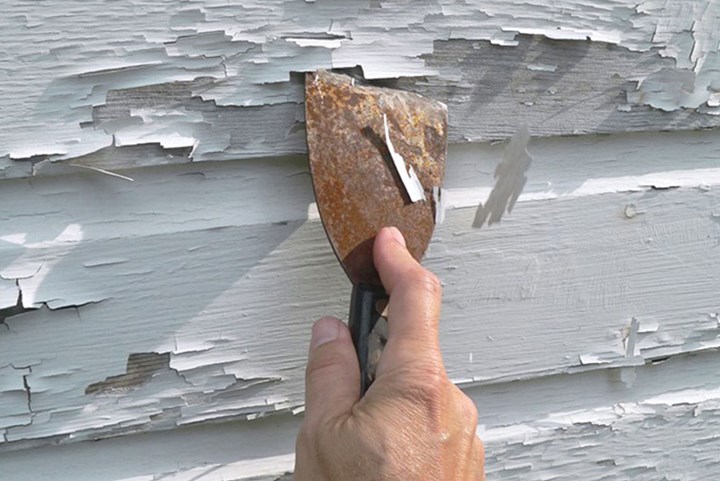
Painting over a poorly prepared surface is a waste of time and money as it won’t last very long. If the old paint is in good condition, all it needs is a wash to remove any dirt. Flaking paint should be scraped off until it’s sound then sanded to blend the remaining paint with the bare surface. Glossy paint and materials should be lightly sanded to roughen the surface and allow the new paint to bond.
Undercoats
All bare timber will need to be undercoated. An oil-based undercoat is best as it helps to seal the timber. If you’re using a water-based enamel as your final coat, go over the oil-based with an acrylic undercoat to provide a better bond. Water-based exterior paints generally don’t need undercoats as they are self-priming. Exceptions to this are when you are using bright or dark colours. There are also a range of specialist undercoats for binding loose or chalky surfaces, for quickly covering dark colours and for sealing in stains.
Which paint where?
Exterior walls, eaves and fascia (the part the gutter sits on) are best painted in exterior acrylics which are water-based. They dry quickly and are designed to handle the tough Aussie conditions. Use low sheen on walls and eaves as they hide minor imperfections and semi gloss on the fascia. Timber windows and doors are best coated in enamels, which are more hard-wearing than acrylics. A water-based enamel is a good option as it dries quickly and won’t fade over time. Choose a gloss or semi gloss finish.
Painting metal
Metal surfaces need special attention. If it’s rusted, scrape off any loose rust and treat with a rust converter. This stops the rusting process and prepares the surface for fresh paint. Use metal primer on all bare metal. A spray paint is the best way to tackle intricate surfaces with lots of nooks and crannies. Finish off with a paint specifically designed to go onto metal in the finish of your choice.
ALL ABOUT PAINTING BRICK, IS IT A GOOD IDEA AND WHAT PAINT TO USE?
Is painting brick a good idea?
Bricks will absorb moisture from the interior of a home and they need to be able to expel that moisture; applying paint to the exterior can cause the paint and masonry to lift, peel or crack as it can become susceptible to freeze thaw cycles in cold climates. Beyond just aesthetics, moisture trapped inside a brick facade can also affect the strength and integrity of mortar, putting the entire wall surface
What kind of paint do you use for brick?
Let’s start with what NOT to use – never paint bricks with standard oil or latex paint, it will trap moisture inside and cause the paint to peel and chip. The problem lies in the fact that bricks are porous, and they need to remain so. In order for them to function properly, there cannot be a ‘waterproof’ coating applied that prevents them from drying to the exterior.
How mineral paint for brick works:
Rather than forming a coating on the brick, these waterborne mineral paints cause a chemical reaction that permanently binds them to the brick substrate. These are silica-based products that are biocompatible with bricks and stone and are actually absorbed into the surface of the brick.
The pigments of these mineral paints are natural inorganic iron oxide and are unaffected by UV rays. They are also resistant to frost and prevent the formation of fungi and molds. Applying mineral paints and dyes to bricks should offer you a maintenance-free service life of 20-30 years.
Does painting brick increase home value?
That depends on the condition of the bricks and the style of the neighborhood and surrounding homes. But if you are hoping to increase home value, painting exterior brick cladding likely won’t do it in all but the most extreme case of either damaged bricks, or just plain ugly ones! In fact, it is just as likely that painting brick will devalue your home.
HOW TO PAINT EXTERIOR BRICK
Tomorrow I’m revealing the bedroom balcony and it’s SO gorgeous, but before we get to the good stuff- I’ve had LOTS of questions about the painted brick. How did I choose a color? What does the process for painting brick look like? How do you know if your brick is paintable? Why did I paint the brick in the first place? The list goes on… I figured today I’d share the tutorial and answer allllllll of the questions with a quick Q&A before the big reveal tomorrow
I’m going to dive right into the tutorial! If you’re interested in painting your brick, first you need to determine IF it can be painted. The best way to make the call is to chat with a professional. Otherwise, I’m offering some insight in the Q&A at the end of the post that might help you weigh the pros, cons, and determine what product is best for your type of brick
Prep. As a reminder, this is what the balcony looked like before (pictured above). I began by prepping the area for paint. I thoroughly cleaned the brick with a pressure washer on the lowest setting, then scrubbed it with a scrub brush, mild cleaner, and rinsed it really well. I allowed it to totally dry before proceeding to the next step.
Condition the brick. Next, I conditioned the brick. Using a 3/4″ roller and scrap paint brush, I completely covered the brick in Acrylic Conditioner. Once it was finished, the coloring looked like this
Paint the brick. Once the conditioner was totally dry (24 hours later), I began painting. I used Self-Cleaning Acrylic Coating. This looks just like regular paint, so you can pick any colors from swatches. I went with the color Nuance SW 7049.
HOW LONG DOES EXTERIOR PAINT LAST?
Exterior paint can last 5 to 10 years, depending on the type of paint you use and the surrounding environment. Therefore, you can lengthen the time that a finish will last by prepping the surface properly and investing in a paint that matches the type of exterior that is being repainted.
Give the Exterior a Good Power Wash
The first thing you want to do to prepare your home for painting is to give it a good power wash. A power wash frees a home of contaminants and ensures a smoother painted finish. Power washing gets rid of any cracking, peeling or bubbling that may be currently present and eliminates any distracting residue.
The Kind of Paint You Choose is Important
It never hurts to invest in a good-quality, if not premium, paint when you are making a paint selection. Stucco is a solid surface and does not expand or contact like siding or wood. Therefore, you generally do not have to pay as much for painting this surface as you do when you buy paint for siding or wood. Expect to pay around $55 to $65 per gallon for painting a home that has a wood or sided exterior.
Make Sure the Painting Contractor is Licensed, Bonded and Insured
You also want to contact a contractor that is well-known in the local area for quality work. To begin the process, check such sites as List online. Make sure the contractor is licensed, bonded and contractor of this standing is normally committed to working in the community and to building a good reputation with his customers.
Surface Preparation – The Key to a Pristine Finish
Besides power washing, surface preparation is another important component of painting an exterior that will last for a longer length of time. Surfaces should be caulked as well as scraped and sanded and fascia boards should patched and prepped as well. If the exterior is made of wood, then the painter should prime the surface before he applies the paint.