Mold Remediation and Removal Costs
If mold removal were as simple as Kung Fu fighting, then there’s no doubt about it, you would have it nailed. But, unfortunately, cost is a large factor when considering mold remediation and the size of your bill often depends on the extent of the infestation.
The good news is that if the area is small, then you can typically treat it for a small investment in some solid cleaning supplies, like a scrub brush, store-bought mold killer and rubber gloves.
However, for large areas, you may be calling in a the bug guys. The remediation cost will be larger, but it’s worth it to ensure further damage is not done to your home. Mold remediation specialist will inspect ductwork, attic spaces, walls and even crawlspaces. The cost can average anywhere from $500 to $6,000 and is hard to identify until the entire scope of the infestation is considered.
A great thing to consider when purchasing the insurance that comes along with buying a home is some type of protection from mold. Discuss your options with an agent. That way, if a problem should arise within your home, then your insurance will help to at least partially offset the cost of mold removal.

Mold Removal and Remediation
It’s hard to imagine two better friends than mold and water. when paired together the two partners in crime make a dangerous team, ready to wreak havoc. If moisture has taken your home hostage, it’s time to consider the most effective mold-removal technique.
Even though you may have seen your grandmother or mother scrub mold away with a bit of bleach, experts say it’s not the best technique for mold remediation. Instead, it’s recommended that your take a few basic steps to remediate mold, starting with identifying the source of the excess moisture.
Once that’s done, clean up the water and eliminate the source. In order to nix a mold problem for good, it is important to remove mold with a biocide and disinfectant, like OxB biocide. Be sure to open windows and wear gloves, eye protection and a facemask when applying a biocide because of the harsh chemicals that are often used in these products.

How to Kill Mold
Killing mold is a dirty job, but the right tools can help you wipe it out for good. Check out these tips for using the best cleaners to solve your fungus problem.
Don’t worry, you’re not alone on this one: Almost every homeowner has to brush up on how to kill mold at some point in order to maintain the upkeep of his or her living space
I think we can all agree that when it comes to cleaning, we’re always looking for efficient alternatives to make the process easier. Try these cleaning tips and tricks to keep your home sparkling year-round.
The best method for killing mold is to nix it before it becomes hard to manage. Tiny black spots on the surface of flooring, walls or tile are the first sign of a type of mold better known as mildew. Clean up this type of mold with a scrub brush and a common household mildew spray.
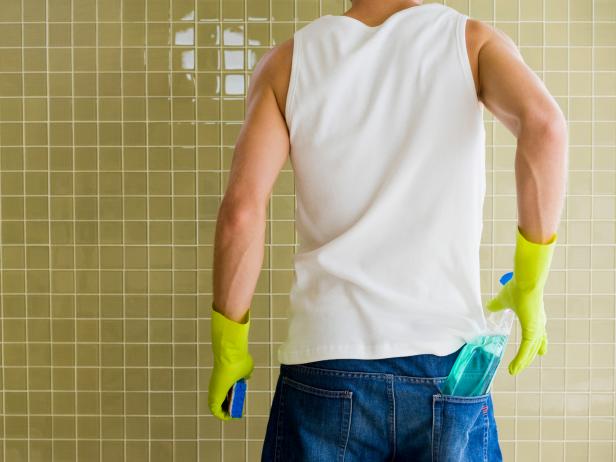
If the infestation is large, then special precautions will be necessary. Be sure to protect yourself by wearing gloves, a facemask and eye protection. If the mold has infested an area that lies beneath a carpet, then begin by removing and discarding the carpet. Clean up the area using a wet-dry vacuum and then treat it with a biocide and disinfectant, like MoldSTAT or OxB biocide. Make any necessary repairs to the once-infected area and then allow it to completely dry. You may want to speed up the process by using a fan.
Mold Removal Products
Just like your favorite all-purpose cleaner, the right mold removal product for your home is key to ensuring a successful cleanup process
It’s tough to imagine there’s a perfect match for a mold killer and a homeowner. But when it comes to finding the product that will work best for your space, the right chemistry is a necessity.
If the first thing you notice about your infestation is tiny black spots that lie on the surface of an area, then you are most likely to deal with the much nicer cousin of mold — mildew. This problem can be easily nixed with a scrub brush and common household mildew spray that can be found in stores.
If the infestation is much larger, then special precautions will be necessary. Be sure to protect yourself by wearing gloves, a facemask and eye protection. Begin by removing any damaged materials, like rotted wood or ruined carpet. Treat the area with a biocide and disinfectant, like OxB biocide. Make any necessary repairs to the area and then allow it to completely dry. You may want speed up the process by using a fan
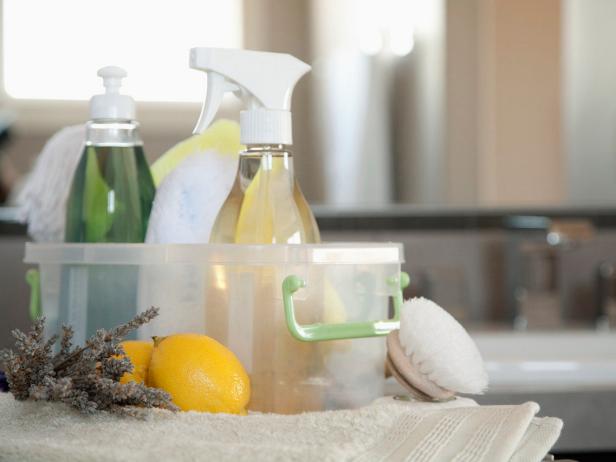
If you would prefer to use a cleaner that is a bit milder and the infestation is small, then consider a natural mold and mildew killer. Many homeowners have found success by filling a spray bottle with solutions containing natural solvents, like Borax, tea tree oil or vinegar.
Testing for Black Mold
Toxic black mold can be expensive to remove and even cause a range of health problems — so testing for black mold is an important first step if you think your home might have a black mold infestation.
Common areas to test for black mold are basements, crawlspaces, bathrooms and kitchens where moisture and condensation may gather regularly. A water source is the first requirement for mold growth, so any damp, humid areas of the home are often susceptible.
Sight and smell may give you a good indication of whether or not you have a black mold problem — black mold tends to have a strong, musty smell, and of course it displays a trademark black color. If you believe you have black mold growth in an area of your home after these initial inspections, you have two options: professional mold testing or do-it-yourself testing.
Professional mold testing companies will take samples of the air and any areas of mold growth, identify precisely what type of mold is present, and recommend next steps for remediation
If you go the DIY route while testing for black mold, you will need to purchase a mold testing kit from a hardware or home repair store, take samples of the air and affected areas yourself, and then send these in to a testing facility, which will report back as to which type of mold is present.