Things you should never throw out before you move
Many people take moving as an opportunity to throw out anything they haven’t used in a while. And while getting rid of things you know you won’t need in your new space is a good idea, that doesn’t have to mean an all-out purge
“editing” instead of purging. “Edit is a thoughtful process,” she explains. “Most people that purge end up re-buying half the stuff anyway because they’re not even thinking about why they have it in the first place, why they haven’t been using it, and why it could help them in the future.”
Lighting
that most people don’t have enough lighting in their homes as is, so even if you feel like you’re moving a few extra lamps that you might not need, take them anyway. She says that you’ll always be able to find a place for them.
Extension cords
You might not love them, and they might not be pretty, but extension cords are useful in a new place, Zaslow says. It can be hard to know where your outlets are going to be ahead of time, so you might be grateful to have a few extra cords.
Small furniture
it’s okay to get rid of large pieces of furniture that you no longer like or know you won’t use, she advises keeping the smaller pieces. She and Zaslow say it’s easy to find a place for things like stools and end tables, since they can easily be repurposed or used to fill a nook or cranny.
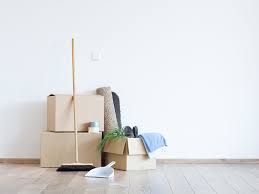
House-Cleaning Services
You know the saying about the cobbler’s children who have no shoes? That’s how I feel at home, sometimes. I write and edit stories about cleaning and organizing all day and, when things get really hectic, I don’t have time to clean or organize my own space. And things can get a little out of control
What’s Home Services?
It’s way to help shoppers buy and schedule professional services. That’s right — you can use to find someone to assemble furniture, clean your carpet, set up a home theater, pressure wash your deck, and more. You can even set up a house cleaning.
Setting Up My House Cleaning
This process could not have been easier! I selected the size of my space (one bedroom, one bathroom) and picked the type of cleaning products I preferred (standard or eco-friendly), and the site automatically suggested the amount of time needed (two hours). I then picked three dates and times that worked for me
Set up your own House Cleaning.
Right away, I got an email confirming my order and letting me know that I’d get another email to confirm the exact time. And I did. Of course, I ended up having to reschedule — twice! (I can’t be so busy that I can’t even find a time to have someone else come clean my apartment, can I? I’m not saving the world or anything!) Luckily, it was incredibly easy to reschedule my appointment — I just had to click a link that said “reschedule” and the process worked just like the initial scheduling. Eventually, I got something that worked and I was so excited.
She finished the kitchen and living room while I worked and then I moved into the living room so she could clean the bedroom and the bathroom. The session was supposed to last two hours, but it was closer to two-and-a-half. I’m not sure if that’s because she was being extra thorough or she thought our apartment was extra messy. I’m going to say it was the former
A Checklist for Moving Into a New House
Change the Locks
You really don’t know who else has keys to your home, so change the locks. That ensures you’re the only person who has access. Install new deadbolts yourself for as little as $10 per lock, or call a locksmith — if you supply the new locks, they typically charge about $20 to $30 per lock for labor.
Check for Plumbing Leaks
Your home inspector should do this for you before closing, but it never hurts to double-check. Keep an eye out for dripping faucets and running toilets, and check your water heater for signs of a leak.
Steam Clean Carpets
Do this before you move your furniture in, and your new home life will be off to a fresh start. You can pay a professional carpet cleaning service — you’ll pay about $50 per room; most services require a minimum of about $100 before they’ll come out — or you can rent a steam cleaner for about $30 per day and do the work yourself
Wipe Out Your Cabinets
Another no-brainer before you move in your dishes and bathroom supplies, especially if the house has been vacant. It’s not uncommon for mice and other pests to move in quickly. Make sure to wipe inside and out, preferably with a non-toxic cleaner, and replace contact paper if necessary.
Invest in Pest Control
That includes mice, rats, bats, termites, roaches, and any other uninvited guests. There are any number of DIY ways to get rid of pests, but if you need to bring out the big guns, an initial visit from a pest removal service will run you $100 to $300, followed by monthly or quarterly visits at about $50 each time.
What You Need When Moving Out for the First Time
What Are the Essentials I Need When I Move Out?
Bed: And please don’t just put a mattress on the floor. Before we were married, my husband made the mistake of tipping his memory foam mattress up when the carpet was cleaned and putting it down again before it was completely dry. Months later when we finally did get a box spring and frame and lifted the mattress up again, the bottom was covered with mold. So please, don’t put your mattress on the floor—let it breathe. This applies to hardwood floors as well!
Bedframe
Nightstand: You don’t want to have to get out of bed to turn off the light, do you? Get one big enough to hold what you need—books, a drink, alarm clock, lamp, and even a laptop if you’re a workaholic or Facebook addict. Or you could just drop stuff on the floor and trip over it in the morning—your choice.
Some place to put your clothes: Whether it’s the closet, hanging shelves, a dresser, an 18th-century cherry wood armoire, or bins, you need someplace to keep your duds. Buy hangers if you plan on hanging your clothes in a closet.
Laundry basket: Yes, you do need one, if only for transportation.
Mirror: This is just to make sure you’re just as pretty as you think you are. A door-mounted mirror can get warped and distort your image. Additionally, since the door moves so much, it’s more likely to fall off than one secured to the wall.
Something to sit on: A couch, sofa, beanbag, inflatable chair, etc. Remember, you can always get a slipcover to give an ugly couch a cute face.
Coffee table and/or side tables: As refined as most of us claim to be, we usually do a lot of our eating in our living rooms in front of the TV, so it’s helpful to have something to put your beer and cheese puffs—I mean, Chardonnay and brie cheese—on. Consider something with drawers for remote control and magazine storage. We had two Ikea side tables pushed together as a coffee table for well over a year—a cheap and easy fix for $14!
Something to put your TV on: Be it a custom-built entertainment center, a $15 Ikea TV stand, or an old desk, put your TV on something. It’s helpful to have some media storage as well so you don’t have stacks of Seinfeld DVDs lying around.
Lighting: Whether it be floor lamps, table lamps, or ceiling lights, assess what your place needs and make sure it’s well lit. You can find fun lanterns for as little as a couple bucks at a thrift store. A dark place looks dirty and uninviting while a well-lit home looks warm and welcoming. Plus, it scares away the cockroaches.
Dining table and chairs: These too can be found second-hand, and don’t worry if the chairs don’t match—just call it “eclectic.”
Desk and chair: This is optional, but you can use it for your laptop, keeping your mail organized, or writing those long letters to aunt Gracie.
Fan and/or heater: You should definitely look into if your apartment has central heat and A/C. If not, depending on the time of year, it’s smart to get a fan (or an A/C unit) or small heater.
Something to cover your windows: You’ll want to see if your apartment supplies window blinds or shades. If not, purchase some ahead of time (measure your windows first!) or bring a sheet to temporarily hang.
Here’s what I use most in my kitchen:
Coffeemaker: But then again, I’m a severe addict…
Skillet: A good-sized one with a lid
Saucepan and/or stockpot: 1.5 qt and/or 3 qt, with lid
Mixing bowls
Utensils: wooden spoon(s), spatula, slotted spoon, slotted turner, ladle, can opener, bottle opener, and tongs
Oven mitts
Baking dishes: Glass or ceramic. I mostly use an 8×8 inch or a 9×13 inch.
Cookie sheets
Cutting boards
Knives: A large chef’s knife, a serrated knife, and a small utility knife for everything else.
Kitchen shears
Measuring cups and spoons
Plates, bowls, glasses, and mugs
For the Bathroom
Bath towels and washcloths
Shower curtain: Go with something PVC free. I use a cloth one, and it’s so easy to clean—I just throw it in the washer and dryer.
Toilet bowl scrubber and plunger: Get the plunger before you really need it.
Bath mat
Toothbrush holder
Trashcan
Toilet paper
Hand soap
Toiletries
Things To Do Before You Move Out
Moving out from one house to another might be an interesting experience due to all good reasons, but it can be a very daunting and challenging thing to do as well. A lot of things need to be considered in order to make a smooth move to a different place. This thing requires extensive planning, and you should start researching and planning about different associative things before you can be prepared in the literal sense for a move. The late planning or late change in plans can cost you a lot, and things can be in great chaos. Therefore, all the people who are looking to move out should start their planning and research well before time. Ideally, they must allocate at least a couple of months to make themselves ready for a smooth move to a new house.
There are a number of minor and major things that you need to do before making a move-out, but all of them might not be that important for the purpose.
The following is a well-researched list of all the major steps that you need to perform or consider when moving from one house to the other:
You will need money – Moving to a new house is a very lethargic process that requires a lot of money. Many of the people going through this process experience that they required more money than they anticipated. It means that you should allocate some reserve money as well to help you out in the process, if needed.
Get Quotes from Movers – In order to move your household items such as furniture, electronics, and a number of other belongings that you have, the services of professional movers are required. Check well before time and get quotations from different movers in order to get the best door to door deal with loading and unloading as well.
Review the Details – Once you are sure to hire a particular mover’s service, make sure you thoroughly read and review the agreement before signing the dotted line. You should check if they were able to move all small and large size items. Further, will they take the responsibility for the breakage of any fragile items or not.
Packing Boxes – You will need some cardboard packing boxes for wrapping up your items before they are loaded onto the truck. If you have a friend or acquaintance working in some warehouse, then he might help you out with some large and small size packing boxes. If not, then go to a retail store, and you can purchase such boxes at a very low price. This is a mandatory step which you cannot avoid under any circumstances, just for the safety of your household items.
Begin Packing as early as possible – You may be thinking that it is a bit silly to start with your packing months in advance, but it is important to do. It will save you from last minute hassles that can be very frustrating and problematic. You must start your packing by starting with the items that you rarely use at home.
Chuck out the unwanted items – Have a good look at all the things that you have and check out all those stuff that you either don’t need or are not in proper working order. The point here is to clear all the mess before you reach your new home.
Yard Sale – You can make or maybe save some good money by having a yard sale at the home of all the unwanted products that can be of some use to the others. This is one good way of getting something in return for your unwanted items that you are not looking to take along.
Think About Charity – If you are not considering a yard sale, then you can donate your unwanted items to the charity that will obviously be a great thing to do before you make a move.
Notifying your correspondents – You must notify all your correspondents about your move to a new house. Your correspondents may include your bank, doctor, insurance, legal firms and all other such things.
Buying Tickets in Advance – If you are going to move to a far off place that has air links, then buy your tickets well in advance. This will help you save a great deal of money